Understanding Pressure Vessel Design
Pressure vessel design is a specialized field in engineering that focuses on creating containers to safely hold gases or liquids under pressure. These vessels are crucial across various industries, including oil and gas, pharmaceuticals, and energy. A well-designed pressure vessel ensures not only efficiency but also safety, adhering to stringent regulations and standards. In this exploration of Pressure Vessel Design, we will delve into the fundamentals, key considerations, existing challenges, advanced techniques, and future trends in this vital area of engineering.
What is a Pressure Vessel?
A pressure vessel is defined as a closed container designed to hold gases or liquids at a pressure substantially different from the ambient pressure. They vary widely in design, depending on their intended application, and include commonly used types like storage tanks, boilers, and reactors. The design must account for the material and pressure conditions to ensure safe operation and minimize the risk of failure.
Common Shapes and Configurations
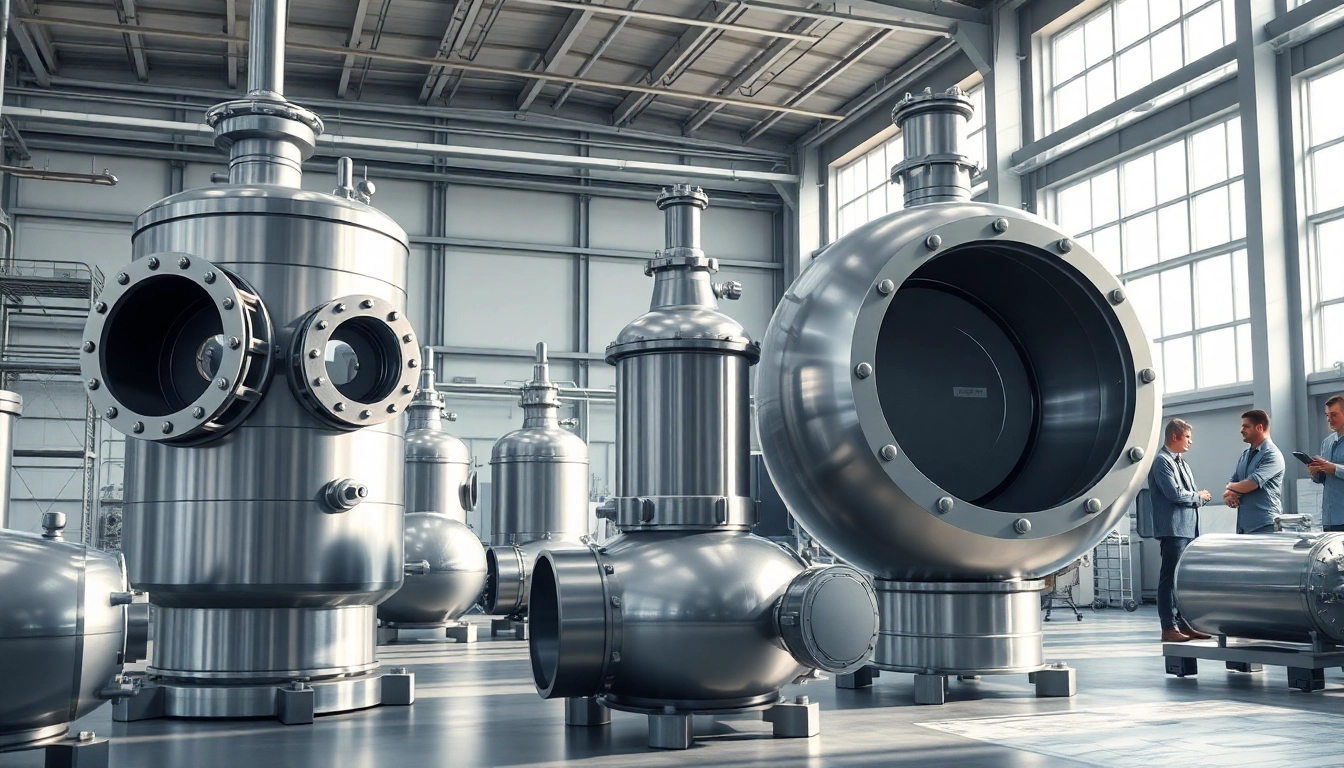
Pressure vessels can take various forms, including cylindrical, spherical, and even conical shapes. The most common shape is cylindrical, often with hemispherical or elliptical end caps, known as heads. These configurations help distribute stress evenly across the surface, improving structural integrity. The choice of shape also depends on factors such as the type of material used and the pressure requirements of the contents being stored.
Importance of Pressure Vessel Design Standards
Adherence to design standards is crucial in pressure vessel engineering. Standards such as those set by the American Society of Mechanical Engineers (ASME) provide guidelines on materials, safety margins, and design methodologies. Compliance with these standards ensures that pressure vessels can withstand operational stresses while maintaining safety and reliability throughout their service life.
Key Design Considerations
Materials Used in Pressure Vessel Design
The choice of materials for pressure vessels plays a vital role in their overall performance and safety. Common materials include carbon steel, stainless steel, and various alloys. The material selection is influenced by factors such as the type of fluid contained, operating temperature, and pressure levels. For instance, stainless steel is favored in corrosive environments, while carbon steel is often used in less harsh conditions.
Safety Factors and Compliance Requirements
Integrating appropriate safety factors is essential in pressure vessel design. These factors help account for uncertainties such as material defects, variations in operational conditions, and environmental impacts. Furthermore, compliance with regulations such as ASME Section VIII is mandatory. These regulations ensure that vessels are designed to operate safely under specific conditions and are regularly inspected to identify potential failures.
Thermal and Structural Analysis in Designs
Thermal and structural analyses are critical in assessing how pressure vessels will behave under various conditions. Finite element analysis (FEA) is often employed to simulate stress and temperature distributions within a vessel. This methodology allows engineers to identify potential weak points in the design before physical testing, thus enhancing overall safety and reliability.
Challenges in Pressure Vessel Design
Identifying Common Design Flaws
Design flaws in pressure vessels can significantly compromise safety. Common issues include inadequate support, incorrect material selection, and failing to account for thermal expansion. Engineers must conduct thorough reviews and simulations during the design phase to minimize these flaws. Regular audits and peer reviews can also serve as preventative measures.
Managing Pressure and Temperature Limitations
Every pressure vessel is subject to limitations based on the materials used and design parameters. Managing these limitations involves careful analysis of material strength and fatigue properties at operating pressures and temperatures. Engineers must also consider external factors such as thermal cycling, which can impact a vessel's integrity over time. Implementing real-time monitoring systems can help track performance and identify issues before they lead to failure.
Navigating Regulatory Compliance
Staying compliant with various regulatory frameworks can be challenging. Organizations must navigate local, national, and international codes that govern pressure vessel design and safety. Regular training and updates on regulatory changes are essential, as is working with knowledgeable professionals who can ensure adherence to these guidelines throughout the design and manufacturing process.
Advanced Techniques in Pressure Vessel Design
Utilizing CAD Software for Design
Computer-aided design (CAD) software has revolutionized the way pressure vessels are designed. CAD tools allow engineers to create intricate designs quickly, simulate real-world conditions, and perform strength analyses all within the same platform. Use of such software streamlines the design process, reduces errors, and enhances collaboration among engineers.
Innovative Materials and Technologies
Innovation in materials science has led to the development of high-strength, lightweight materials such as composites and advanced alloys. These materials can significantly improve the performance of pressure vessels, making them more resistant to corrosion and wear. Moreover, new technologies like additive manufacturing (3D printing) allow for more complex geometries that enhance performance while reducing waste.
Performance Testing Methods
Testing pressure vessels is crucial to ensuring their reliability and safety. Common testing methods include hydrostatic testing, where vessels are filled with water and pressurized to check for leaks, and non-destructive testing (NDT) techniques such as ultrasonic or radiographic testing to identify internal flaws. Establishing a robust testing protocol helps ensure adherence to safety standards throughout the vessel's lifecycle.
Future Trends in Pressure Vessel Design
Emerging Standards and Regulations
As technology and industry practices evolve, so too do the standards governing pressure vessel design. Emerging regulations focus on increasing safety, enhancing sustainability, and accommodating advancements in materials and design methodologies. Staying informed about these changes is essential for engineers to maintain compliance and ensure public safety.
Sustainability Practices in Design
Sustainability is becoming a central focus in pressure vessel design. Engineers are now incorporating greener practices into the design process, including the use of recycled materials, energy-efficient manufacturing processes, and designs that minimize environmental impact. Technologies that reduce energy consumption and promote the circular economy are increasingly prioritized in new designs.
Digital Transformation in Engineering Processes
The digital transformation of engineering processes is reshaping pressure vessel design by introducing tools like cloud computing and advanced analytics. These technologies enable better data management and collaboration, facilitating remote monitoring and predictive maintenance solutions that improve vessel performance and safety over time.
FAQs
What is the basic pressure vessel design?
Pressure vessels are typically cylindrical structures with hemispherical heads that help distribute stress. Their design accommodates internal or external pressures while maintaining integrity.
What are the regulations for pressure vessel design?
Pressure vessels must comply with ASME Section VIII, ensuring safe design, construction, and testing practices are followed for operational reliability.
Which software is commonly used in pressure vessel design?
Popular software for pressure vessel design include AutoCAD and SolidWorks, which assist in accurate 3D modeling and facilitate design verification.
What materials are typically used in pressure vessels?
Common materials include carbon steel and stainless steel, selected based on their ability to withstand different pressures and chemical exposures without failure.
How is safety assessed in pressure vessel design?
Safety is assessed through rigorous testing, which includes hydrostatic testing and finite element analysis to evaluate design integrity and ensure compliance with safety standards.