Understanding Pressure Vessel Design Fundamentals
Pressure vessels are critical components in various industries, serving as storage containers for gases and liquids under high pressure. The design of these vessels is essential for the safety, reliability, and efficiency of operations. Pressure Vessel Design involves a deep understanding of engineering principles, material science, and safety regulations. In this section, we will cover the key components that contribute to effective pressure vessel design, the importance of adhering to safety regulations, and the common materials utilized in construction.
Key Components of Pressure Vessel Design
A pressure vessel functions as a closed container where pressure is significantly higher than the ambient pressure. The primary components that influence pressure vessel design include:
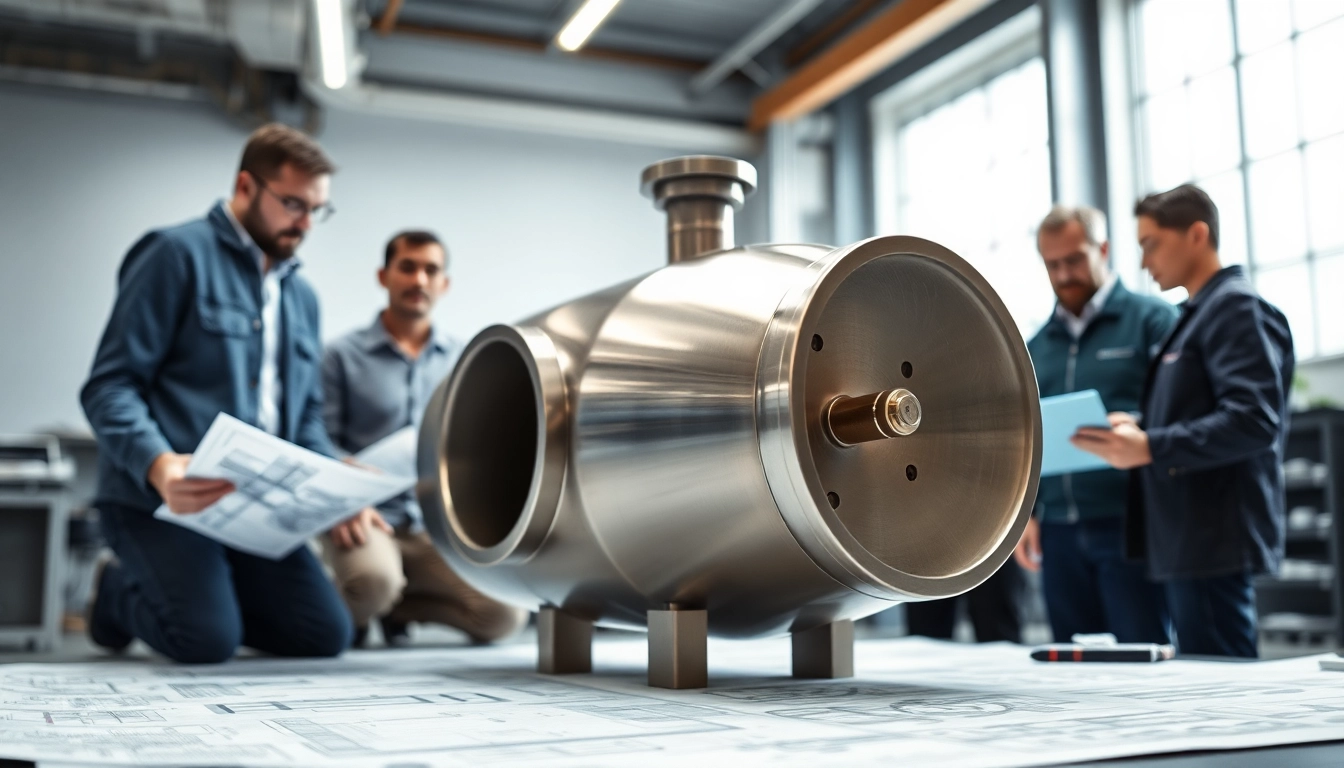
- Shape: The most common shapes for pressure vessels are cylindrical and spherical. Cylindrical vessels are generally easier to manufacture and are more common in industrial applications, while spherical vessels, although more costly, provide a more uniform stress distribution.
- Thickness: The wall thickness of the vessel is crucial for ensuring that it withstands the internal pressure without failing. This thickness must be calculated based on the material properties, design pressure, and safety factors.
- Heads: The ends of a pressure vessel, known as heads, can be hemispherical or conical. The design of the heads affects the overall strength and effectiveness of the vessel.
- Nozzles and Supports: Nozzles are the apertures through which the contents of the vessel are accessed and must be carefully designed to avoid stress concentration. Proper support structures are also essential to maintain stability during operation.
Understanding these components helps designers make informed decisions about the configurations that will optimize performance and safety.
Importance of Safety Regulations
The design and fabrication of pressure vessels are subject to stringent safety standards, primarily dictated by codes set forth by organizations such as the American Society of Mechanical Engineers (ASME). Compliance with these regulations is non-negotiable and ensures that vessels are manufactured to handle their specified pressures and temperatures safely. Some key regulations include:
- ASME Boiler and Pressure Vessel Code (BPVC): This code provides comprehensive guidelines for the design, manufacture, testing, and maintenance of pressure vessels.
- Periodic Inspections: Regular inspections are mandatory to ensure the vessel remains operationally safe throughout its lifecycle.
- Material Certifications: Only certified materials should be used for construction to prevent catastrophic failures due to material defects.
Adhering to these regulations not only protects workers but also safeguards the environment and businesses from costly damages and liabilities.
Common Materials Used in Pressure Vessel Design
The selection of materials for pressure vessel design is pivotal, as they must withstand high stress, temperature fluctuations, and corrosive environments. Common materials include:
- Carbon Steel: This material is widely used due to its strength and cost-effectiveness. It is suitable for moderate temperatures and pressures.
- Stainless Steel: Known for its corrosion resistance, stainless steel is ideal for vessels exposed to aggressive environments, particularly in chemical processing applications.
- Aluminum: Lightweight yet strong, aluminum vessels are employed in specialized applications, including aerospace.
- Composite Materials: Utilizing advanced composite materials can significantly reduce weight and improve resistance to corrosion and temperature variations.
Understanding the properties of these materials helps engineers tailor designs that meet specific operational requirements while maintaining safety.
Designing for Different Applications
Pressure vessels find applications across various industries, necessitating designs suited to their specific use.
Vertical vs. Horizontal Pressure Vessel Design
The orientation of pressure vessels impacts their design and efficiency based on operational requirements.
- Vertical Pressure Vessels: These designs are commonly used when floor space is limited. Vertical vessels often have lower manufacturing costs and allow for gravity-assisted liquid drainage.
- Horizontal Pressure Vessels: While they require more ground space, horizontal vessels can accommodate larger volumes and facilitate easier access for maintenance. They are often preferable in applications needing extensive pipe installation.
Each orientation presents advantages and constraints that must be carefully analyzed during the planning and design phase.
Special Considerations for Chemical Processing
Designing pressure vessels for chemical processes involves unique considerations due to the hazardous nature of the materials contained. Key factors include:
- Corrosion Resistance: Materials must be chosen to withstand corrosive chemicals, requiring protective coatings or corrosion-resistant alloys.
- Temperature Control: Many chemical processes generate significant heat, necessitating thermal management systems to maintain safe operating temperatures.
- Pressure Relief Systems: Properly designed pressure relief valves are critical to prevent over-pressurization and potential explosions.
Addressing these challenges early in the design process enhances safety and optimizes operational efficiency.
Customization in Pressure Vessel Design
Many applications necessitate customized pressure vessels to meet specific operational or regulatory requirements. Customization may involve:
- Modifications in Size and Shape: Custom dimensions can optimize space utilization or meet specific installation requirements.
- Integration of Safety Features: Custom designs can incorporate advanced safety mechanisms, including enhanced monitoring systems and automated controls.
- Tailored Material Selection: Specific environments may require bespoke combinations of materials to ensure durability and compliance with local regulations.
Collaborating with engineering experts can lead to innovative designs that align precisely with industrial needs.
ASME Codes and Compliance
Achieving compliance with ASME codes is essential for pressure vessel design and ensures that products are safe, reliable, and marketable.
Overview of ASME Code Requirements
The ASME BPVC outlines fundamental requirements covering various aspects of pressure vessel design:
- The vessel must be built to withstand designated pressures and temperature fluctuations.
- Design calculations must demonstrate structural integrity, considering factors such as stress analysis and fatigue.
- Documentation must reflect the materials used, welding processes, and the testing performed.
Understanding these foundational points is crucial for any design team to navigate compliance successfully.
Steps for Achieving ASME Compliance
Achieving compliance involves several critical steps:
- Design Phase: Begin with thorough design calculations based on relevant ASME codes, considering safety factors and material properties.
- Material Selection: Choose materials that meet or exceed ASME standards for strength, fabrication, and testing.
- Quality Assurance: Implement robust quality management processes throughout manufacturing, including documentation and traceability.
- Testing and Certification: Conduct rigorous tests including non-destructive testing to validate design integrity, followed by certification by an authorized inspector.
Each step is essential to ensure that the completed vessel adheres to safety guidelines and operational requirements.
Documentation Necessary for Pressure Vessel Design
Maintaining accurate documentation is paramount in the pressure vessel industry. Essential documents include:
- Design Calculations: Comprehensive records of the calculations and assumptions used during design reviews.
- Material Certifications: Certificates proving that materials meet specified standards.
- Inspection Reports: Documentation of inspections and tests conducted during and after the manufacturing process.
- Compliance Certificates: Issued by certified inspectors upon successful completion of testing.
Proper documentation facilitates regulatory compliance and simplifies future inspections or modifications.
Challenges in Pressure Vessel Design
Designing pressure vessels is fraught with challenges that require a proactive approach to mitigate risks.
Identifying Common Design Issues
Some frequent design issues include:
- Underestimating Load Conditions: Failing to account for dynamic loads can lead to design failures.
- Material Deficiencies: Selecting subpar materials can compromise safety and longevity.
- Poor Corrosion Management: Insufficient corrosion protection can result in catastrophic failures over time.
Awareness of these potential pitfalls enables engineers to adopt a more thorough design methodology.
Mitigation Strategies for Design Problems
Addressing design challenges requires strategic planning, including:
- Advanced Modeling Techniques: Utilizing simulation software to predict how designs will perform under real-world conditions.
- Material Testing: Conducting extensive testing on materials to ensure they exhibit the required properties under expected conditions.
- Regular Training: Ensuring that design teams stay informed on the latest standards and best practices.
Implementing such strategies significantly enhances design reliability and safety.
Case Studies of Design Failures
Analyzing real-world failures provides valuable lessons:
- Reactive Pressure Vessels: A notable incident involved a chemical reactor that failed due to incorrect pressure specifications, leading to an explosion.
- Corrosion Issues: Another case highlighted the failure of a vessel due to lack of adequate corrosion mitigation, resulting in significant safety breaches.
Reviewing these case studies emphasizes the critical importance of compliance and best practices in the design process.
Future Trends in Pressure Vessel Design
The pressure vessel industry is evolving, with new technologies and practices shaping the future of design.
Advancements in Material Technologies
The ongoing development of materials is transforming pressure vessel design:
- High-Performance Alloys: Advances in metallurgy are yielding alloys with enhanced strength and corrosion resistance properties.
- Lightweight Composites: The introduction of composites promises lighter vessels with improved thermal and chemical resistance.
The integration of these materials can lead to safer and more efficient pressure vessels.
Impact of Digital Tools and Software on Design
Digital transformation is making waves in pressure vessel design through:
- 3D Modeling Software: Advanced software allows for precise simulation and visualization, reducing errors in the design phase.
- Automation: Automating routine calculations and documentation processes increases efficiency and reduces human error.
Embracing these tools helps designers optimize performance and compliance within their projects.
Sustainability Practices in Pressure Vessel Design
The push for sustainability is influencing design considerations:
- Energy Efficiency: Incorporating energy-efficient practices reduces operational costs and environmental impact.
- Recyclable Materials: Utilizing materials that are recyclable at the end of their service life prevents waste.
Sustainable design practices ensure that pressure vessels meet modern environmental standards while maintaining performance.
FAQs about Pressure Vessel Design
What is the basic design of a pressure vessel?
Pressure vessels are typically cylindrical, with a uniform wall thickness, closed ends (heads), and fittings for access. The design ensures they can safely contain gases or liquids under pressure.
What materials are used in pressure vessel construction?
Common materials include carbon steel for cost-effectiveness, stainless steel for corrosion resistance, and composites for lightweight applications. The choice depends on the operational environment.
How do I ensure compliance with ASME regulations?
Compliance involves following the ASME Boiler and Pressure Vessel Code, conducting proper design calculations, selecting certified materials, and undergoing rigorous testing by authorized inspectors.
What are the common challenges in pressure vessel design?
Design challenges include underestimating load conditions, selecting inadequate materials, and failing to manage corrosion effectively, which can lead to safety hazards.
What future trends are influencing pressure vessel design?
Key trends include advancements in material technologies, the adoption of digital design tools, and a focus on sustainable practices that enhance efficiency and reduce environmental impact.