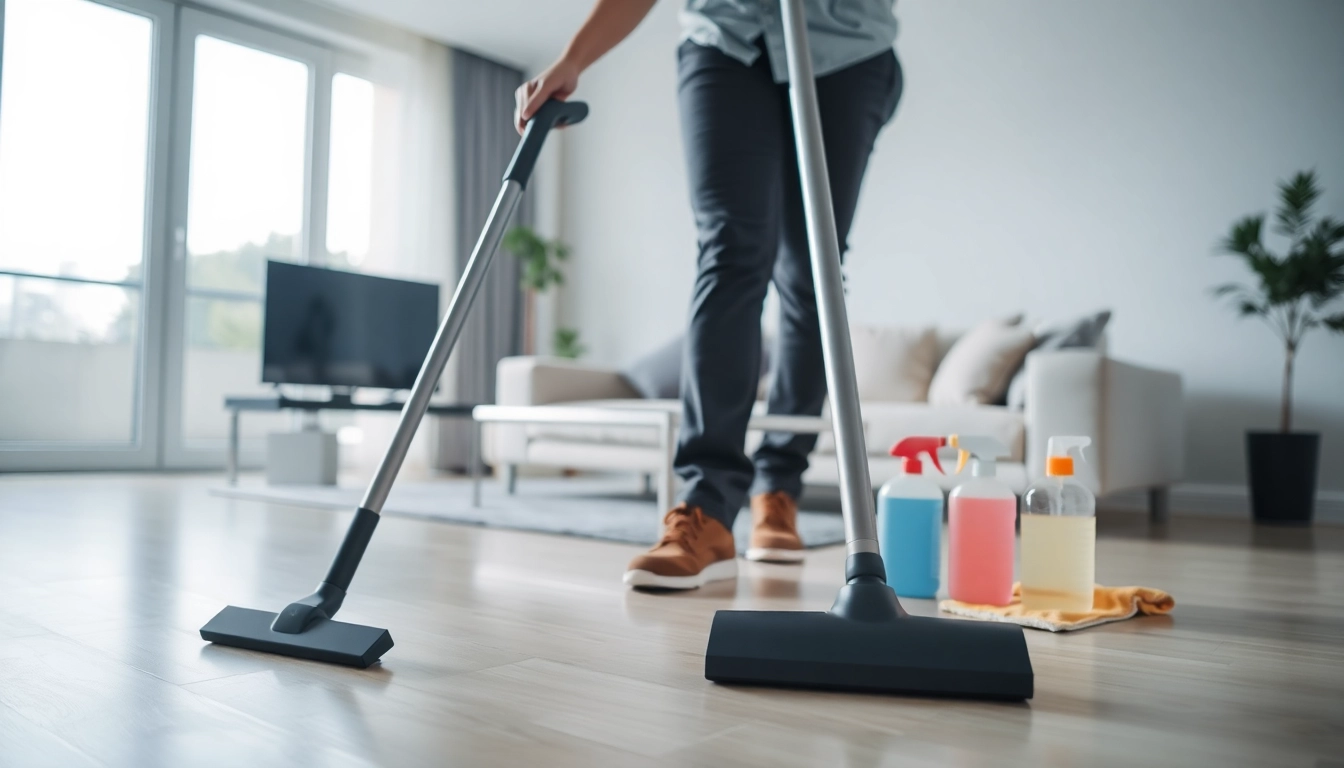
Understanding Bond Cleaning
What is Bond Cleaning?
Bond cleaning, also known as exit or end-of-lease cleaning, is a comprehensive cleaning service performed on a rental property prior to moving out. This cleaning ensures that the property meets the standards set by landlords or property managers for the return of the security deposit or rental bond. It typically includes deep cleaning tasks that go far beyond routine housekeeping. Common areas of focus are kitchens, bathrooms, carpets, and windows, ensuring that the property is in pristine condition for the next tenants.
Importance of Bond Cleaning
The primary purpose of bond cleaning is to fulfill the conditions of a rental agreement, facilitating the return of your deposit. Landlords often assess the property's condition closely during inspection, and a thorough bond clean can significantly increase your chances of getting your bond back. Moreover, it can prevent disputes with landlords over damages or cleanliness issues, making the moving process much smoother.
Key Differences from Standard Cleaning
While standard cleaning typically involves tidying up and surface-level cleaning, bond cleaning requires an in-depth and meticulous approach. Key differences include:
- Depth of Service: Bond cleaning often involves deep scrubbing of surfaces, including hard-to-reach areas and appliances that are usually overlooked during regular cleaning.
- Scope: It covers all rooms, including kitchens and bathrooms, focusing on ensuring every inch of the property is spotless.
- Standards: Bond cleaning must meet specific industry standards or landlord requirements to ensure bond refunds.
Preparing for Your Bond Clean
Gathering Cleaning Supplies
To execute an effective bond clean, it’s essential to gather the right cleaning supplies. This includes:
- Multi-surface cleaners
- Glass cleaner
- Disinfectants
- Heavy-duty scrub brushes
- Microfiber cloths
- Vacuum cleaner with attachments
- Extension pole for high areas
- Trash bags for any items to dispose of
Creating a Cleaning Checklist
A comprehensive cleaning checklist is crucial. It allows you to track tasks and ensures no areas are overlooked. A sample checklist might include:
- Dusting all surfaces, including light fixtures and ceiling fans
- Cleaning kitchen appliances inside and out
- Scrubbing bathrooms, focusing on toilets, showers, and sinks
- Vacuuming carpets and mopping hard floors
- Cleaning windows and mirrors
- Removing cobwebs from corners and ceilings
- Emptying and cleaning all cupboards and drawers
Timing Your Bond Clean
Timing is essential for a successful bond clean. Typically, it’s best to schedule cleaning for a day or two before your final inspection, allowing time for any touch-ups. Moreover, consider the property’s size and your own cleaning speed to ensure you won’t feel rushed during this important task.
Executing an Effective Bond Clean
Room-by-Room Cleaning Guide
Executing a bond clean effectively requires a room-by-room approach to ensure thoroughness:
- Kitchen: Focus on cleaning ovens, stovetops, microwaves, and refrigerators, ensuring all surfaces are degreased and polished. Don't forget to wash cabinets, including handles.
- Bathrooms: Scrub tiles, clean showers, disinfect sinks and toilets, and ensure mirrors are streak-free.
- Living Spaces: Dust surfaces, clean windows, and vacuum carpets. Pay attention to baseboards and light switches too.
- Bedrooms: Dust all surfaces, clean mirrors, and vacuum or mop floors. Pay attention to cupboards and wardrobes.
Common Areas to Focus On
Common areas that often require extra attention include:
- Carpets: Consider steam cleaning if they are heavily soiled.
- Windows: Ensure they are cleaned both inside and outside to maximize shine.
- Walls: Spot clean for marks and scuff marks that may have accumulated during your tenancy.
- Garage or Garden Sheds: Don’t forget these often-overlooked spaces when it comes to cleaning.
Utilizing Professional Services
While some tenants prefer a DIY approach, hiring professionals can save time and guarantee a high standard of cleaning. Professional services specialize in bond cleaning and are familiar with the expectations of landlords. This can be a wise investment, particularly for larger properties or those in need of deep cleaning.
Post-Bond Clean Checklist
Final Inspection Tips
After completing the bond clean, conduct a final inspection of your property. Check each room against your cleaning checklist and look for any missed areas. A systematized approach ensures that everything meets the landlord's standards. It might be helpful to seek a second opinion, asking a friend to walk through and provide feedback.
Quality Assurance for Refund
To ensure a full bond refund, keep documentation of your cleaning efforts. This includes receipts from any services hired and before-and-after photos of cleaned areas as proof of your work. Many landlords appreciate the tidiness that clear images can illustrate, reinforcing your case for a full deposit return.
Handling Issues that Arise
If any issues arise during the final inspection, address them immediately. Consider discussing any discrepancies directly with your landlord, providing evidence if available. If disputes develop, refer to your lease agreement’s terms regarding bond cleaning expectations to resolve them amicably.
FAQs about Bond Cleaning
What Typically Gets Cleaned in a Bond Clean?
A typical bond clean includes deep cleaning of kitchens, bathrooms, common areas, dusting surfaces, vacuuming or mopping floors, and cleaning windows and appliances.
How Much Does Bond Cleaning Usually Cost?
The cost of bond cleaning varies depending on the size of the property and the extent of cleaning required, typically ranging from $200 to $500 for standard-sized homes.
Can I Do Bond Cleaning Myself?
Yes, you can do bond cleaning yourself if you feel confident in your cleaning skills and have the necessary time and equipment. A checklist can help ensure thoroughness.
What Happens If I Miss an Area?
If you miss an area during the bond clean, it may impact the return of your bond. It's crucial to conduct a final inspection beforehand to avoid missing any spots.
When Should I Schedule My Bond Clean?
It’s advisable to schedule your bond clean one or two days before your final inspection to ensure adequate time for any necessary touch-ups.