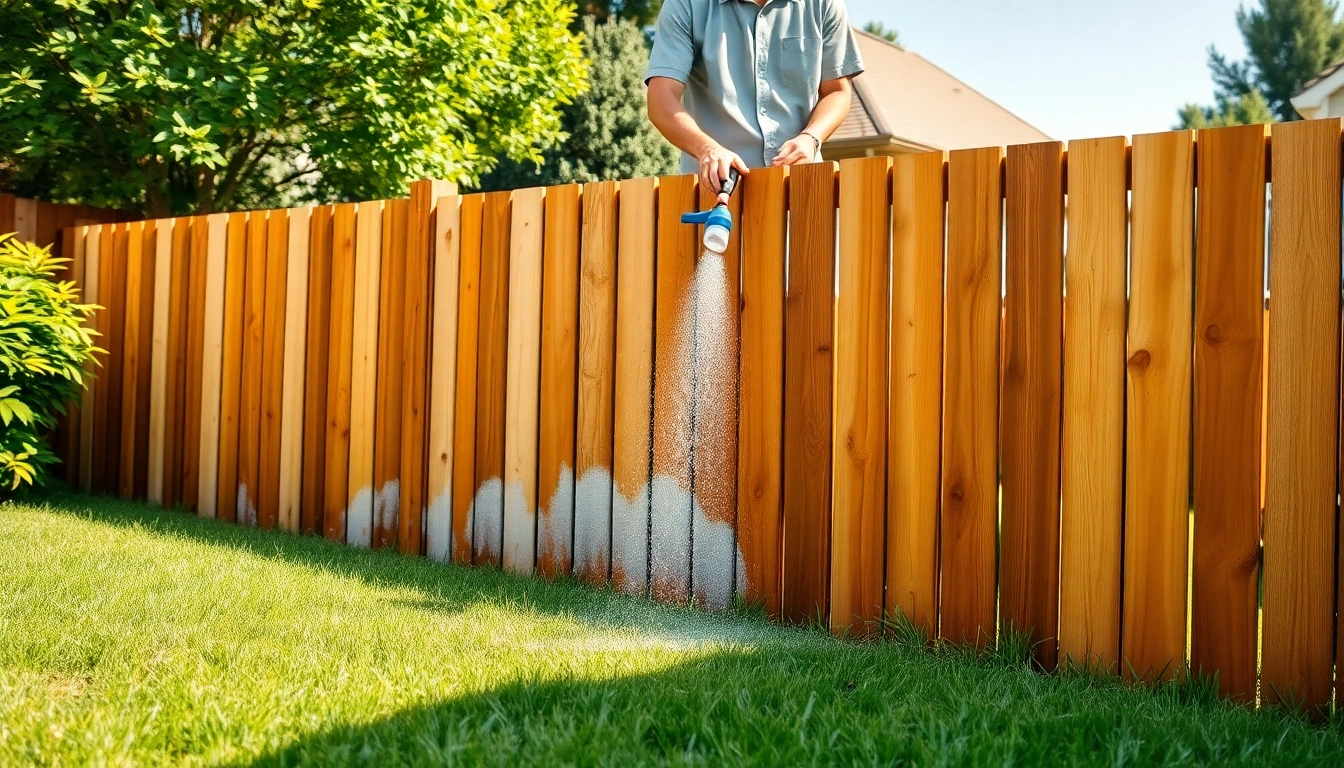
Understanding Fence Cleaning
Fences are an essential part of residential and commercial properties, serving both functional and aesthetic purposes. However, they often absorb dirt, grime, and weather-related damage over time, detracting from their appearance and longevity. Regular Fence Cleaning is crucial in maintaining the integrity and visual appeal of your fence. In this article, we will explore various aspects of fence cleaning, including maintenance, methods, tools, and best practices.
The Importance of Regular Maintenance
Regular maintenance of fences plays a vital role in preserving their lifespan and ensuring they remain an attractive feature of your property. Dirty and unkempt fences can lead to a range of issues, including:
- Decaying Materials: Accumulated dirt and moisture can lead to rotting, particularly in wooden fences.
- Mold and Mildew Growth: These growths not only affect aesthetics but can also compromise the structural integrity of the fence.
- Environmental Factors: Sunlight, rain, and other weather elements can gradually damage fences. Regular cleaning can minimize this damage.
- Property Value: Well-maintained fences enhance the overall appeal of your property, contributing to its market value.
Common Types of Fences and Their Care
Fences come in various materials, each requiring different cleaning methods:
- Wooden Fences: Often require cleaning solutions that kill mold and mildew, followed by rinsing with water.
- Vinyl Fences: Resistant to stains, but they can accumulate dirt. Mild soap and water usually suffice for cleaning.
- Chain Link Fences: Typically easy to clean with a pressure washer, soap, and water.
- Aluminum Fences: Require gentle cleaning solutions that won’t corrode the metal.
Frequency of Fence Cleaning
The frequency of fence cleaning depends on several factors such as environmental conditions and the type of material. Generally, it's advisable to clean your fence at least once a year. However, areas with heavy rainfall, humidity, or lots of trees may necessitate more frequent cleanings.
Methods for Effective Fence Cleaning
Traditional Cleaning Techniques
Many homeowners opt for traditional methods, which are often both simple and effective:
- Hand Scrubbing: For small or light stains, use a scrub brush and a solution of water and mild detergent.
- Garden Hose: A good rinse with a hose can help remove dirt and dust before deeper cleaning.
- Homemade Solutions: Vinegar and baking soda mixtures can effectively combat stains.
Using Pressure Washers Safely
Pressure washing is a highly effective technique for cleaning fences but should be done with caution:
- Adjust the Pressure: Use the lowest effective pressure to prevent damage to the fence.
- Keep a Safe Distance: Maintain a distance of 12-24 inches from the wood surface when washing.
- Focus on Stubborn Stains: Pressure washing can efficiently handle mold and mildew when combined with appropriate cleaning solutions.
Eco-friendly Cleaning Solutions
Environmentally friendly cleaning options are becoming increasingly popular among homeowners:
- Baking Soda and Water: A paste can remove dirt without chemicals.
- Vinegar: A natural disinfectant that can eliminate mold and mildew.
- Oxygen Bleach: An eco-friendly option that is effective and less harsh than chlorine bleach.
Tools Required for Fence Cleaning
Essential Equipment for the Job
- Scrub Brushes: For manual cleaning of tougher stains.
- Pressure Washer: Essential for quick and effective cleaning on larger fences.
- Buckets: For mixing cleaning solutions.
- Hoses: For rinsing down the surface after cleaning.
Recommended Cleaning Products
Choosing the right cleaning products can make a significant difference:
- Commercial Cleaners: There are various effective cleaners formulated specifically for different fence materials.
- Homemade Solutions: Vinegar mixed with water or oxygen bleach diluted in water can be effective.
- Wood Preservatives: After cleaning, applying a wood preservative can help in extending the life of wooden fences.
Safety Gear to Consider
When cleaning your fence, ensure you are equipped with the necessary safety gear:
- Gloves: Protect your hands from cleaning solutions and rough surfaces.
- Safety Goggles: Safeguards your eyes from debris and splashes.
- Mask: Particularly important when using chemicals or working in dusty conditions.
Steps to Clean Your Fence
Preparing the Area and Your Fence
Before starting the cleaning process, prepare your area effectively:
- Clear Surrounding Debris: Remove furniture, plants, or other items near the fence.
- Inspect for Damage: Check for any loose boards, nails, or damage that needs to be repaired before cleaning.
- Gather Supplies: Ensure all cleaning materials and protective gear are ready.
Applying Cleaners and Techniques
Once you are ready, employ a systematic approach:
- Wet the Fence: Start with a water rinse for stubborn dirt to loosen grime.
- Apply Cleaners: Use your chosen solution, applying it with a brush or sprayer, focusing on tough spots.
- Scrub and Rinse: For stubborn stains, scrub with a brush, followed by a thorough rinse.
Finishing Touches: Staining and Sealing
After cleaning, consider applying stain or sealant to protect your fence from future weathering and enhance its appearance:
- Choose Quality Products: Invest in high-quality stains or sealants that are suited for your fence type.
- Follow Manufacturer Instructions: Apply according to the instructions for the best results.
- Regular Maintenance: Periodically reapply to maintain protection from environmental damage.
FAQs about Fence Cleaning
How much does it cost to get your fence cleaned?
Cost varies based on total fence size and cleaning method, typically from $30 to $800 based on the area being cleaned.
What is the best cleaning solution for a wooden fence?
An oxygen bleach solution mixed with water is effective for cleaning wooden fences and is more eco-friendly than traditional bleach.
Can I clean my vinyl fence with a power washer?
Yes, a power washer can be used safely on vinyl; just ensure you use the right settings to avoid damage.
How often should I clean my fence?
It's advisable to clean your fence at least once a year, more frequently in dirty or humid environments.
Is fence cleaning bad for the environment?
Using eco-friendly cleaning solutions minimizes environmental impact and allows for effective cleaning of your fence.