
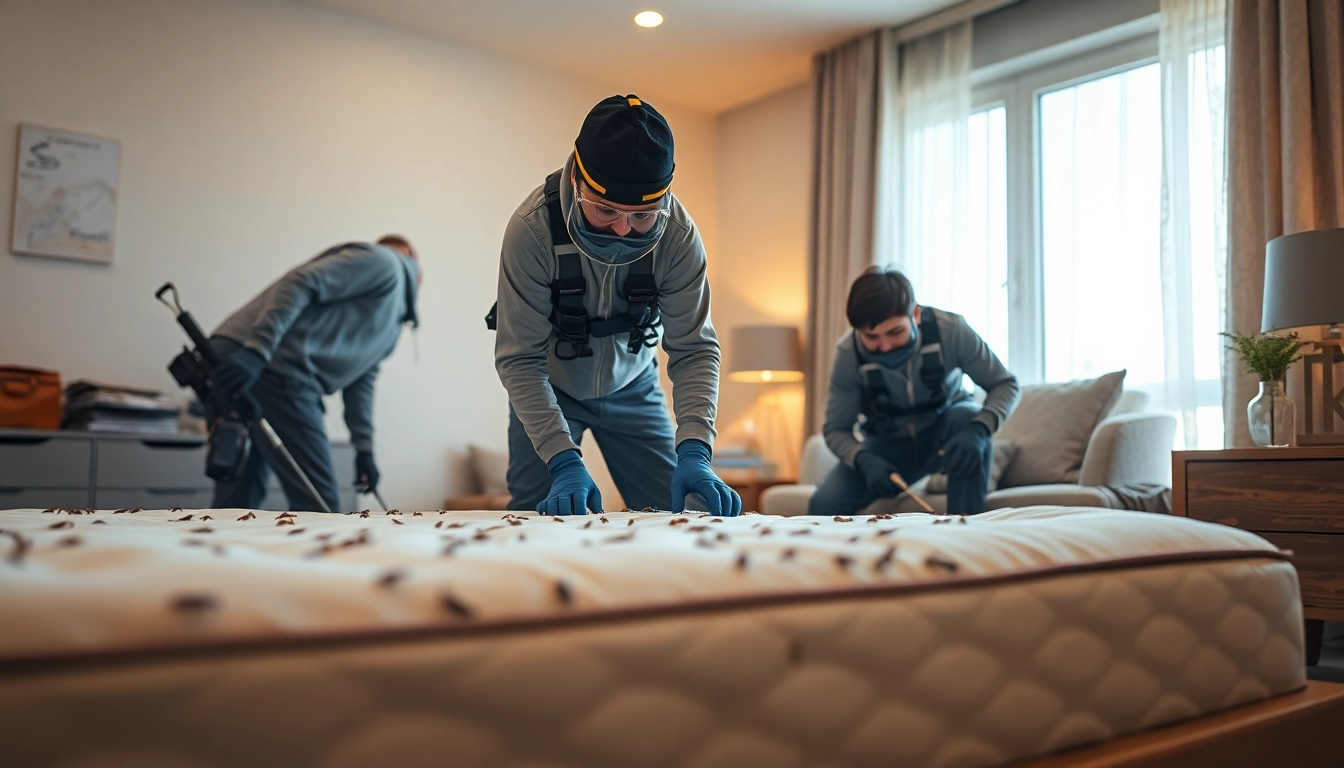
Understanding Bed Bug Infestations
What Are Bed Bugs?
Bed bugs are small, reddish-brown insects that feed on the blood of humans and other warm-blooded hosts. These nocturnal pests are part of the Cimicidae family and are particularly notorious for their ability to proliferate quickly. Adult bed bugs can reach up to 5-7 mm in length and have a flattened, oval body that allows them to hide in the smallest of spaces. They typically dwell in bedding, mattresses, cracks in furniture, and even behind baseboards. Understanding their biology and behavior is crucial for effective intervention and extermination.
Common Signs of Infestations
Identifying signs of bed bug infestations early can be key to effective management. Look for:
- Bed Bug Bites: Small, red, itchy welts appearing in a zigzag or linear pattern on the skin.
- Blood Stains: Tiny blood spots on sheets or mattresses from crushed bed bugs.
- Fecal Spots: Dark stains or spots on bedding or furniture, which indicate where bed bugs have fed.
- Exoskeletons: Shed skin that resembles tiny, flat, tan-colored shells.
- Odors: A musty or sweet smell resulting from bed bug aggregation pheromones.
The Dangers of Bed Bugs
While bed bugs are not known to transmit diseases, their bites can lead to secondary infections due to scratching. Furthermore, the psychological stress associated with an infestation can lead to anxiety, insomnia, and a general decline in quality of life. Economically, the cost of treatments and preventative measures can strain household budgets. These factors emphasize the importance of seeking professional intervention, such as with specialized bed bug exterminators, to mitigate infestations effectively.
Choosing the Right Bed Bug Exterminators
Key Qualities to Look For
Selecting a bed bug exterminator requires a careful assessment of various factors. Look for:
- Licensing and Certification: Ensure that the exterminator is licensed and certified by relevant state or national pest control boards.
- Experience and Expertise: Choose professionals with extensive experience in handling bed bug infestations specifically.
- Integrated Pest Management (IPM): A good exterminator will employ IPM strategies, combining different methods for effective control.
- Insurance: Verify that the exterminator has liability insurance to protect against potential damages during treatment.
Questions to Ask Potential Exterminators
When interviewing exterminators, it’s vital to ask specific questions to gauge their competency and approach. Consider asking the following:
- What treatment methods do you use for bed bug extermination?
- How do you determine the extent of an infestation?
- What follow-up services do you offer to ensure the problem is resolved?
- Can you provide references from previous clients?
- What is your policy regarding guarantees and refunds?
Reading Reviews and Referrals
Researching customer reviews and seeking referrals can provide valuable insights into the quality of an exterminator's service. Look for testimonials on trusted platforms, as well as social media to gauge the experiences of others. Engaging with community forums or local groups can also yield recommendations from trusted peers who have faced similar pest problems.
Methods of Bed Bug Extermination
Heat Treatment vs. Chemical Treatment
There are primarily two methods employed for bed bug extermination: heat treatment and chemical treatment. Heat treatment involves raising the temperature in the affected areas to a level that is lethal to bed bugs and their eggs. Generally, temperatures of at least 120°F (49°C) must be maintained for several hours to ensure effectiveness. This method has the advantage of being chemical-free, making it safe for children and pets.
On the other hand, chemical treatments involve the application of pesticides designed specifically for bed bugs. Many exterminators use a combination of both methods for optimal results. Chemical treatments can be effective but may require more than one application to fully eradicate the problem due to bed bug resilience.
Integrated Pest Management Strategies
Effective bed bug control often employs Integrated Pest Management (IPM) strategies. IPM is a comprehensive approach that combines multiple strategies to minimize bed bug populations safely and sustainably. This may include:
- Regular inspections and monitoring to identify infestations early.
- Reducing clutter, where bed bugs can hide, thus minimizing their habitat.
- Using encasements on mattresses and box springs to prevent bed bug access to humans.
- Utilizing both mechanical and chemical controls as needed.
What to Expect During Treatment
When a bed bug exterminator is called upon, they will typically conduct a thorough inspection of your home to identify the extent and location of the infestation. Following this initial evaluation, they will propose a treatment plan that fits your specific situation. During treatment, be prepared for some disruption, particularly if heat treatments are utilized, as these may require evacuating the home temporarily. After treatment, the exterminator should schedule follow-up visits to confirm that the infestation has been fully eliminated.
Preventing Future Infestations
Best Practices for Homeowners
To mitigate the risk of future infestations, homeowners can adopt several best practices, including:
- Regularly inspecting travel luggage and belongings upon returning from trips.
- Cleaning bedding and clothing regularly at high temperatures to kill any potential bugs and eggs.
- Sealing cracks and crevices around your home to minimize bed bug hiding spots.
- Utilizing bed bug-proof covers for mattresses and box springs.
Travel Tips to Avoid Bringing Bugs Home
Traveling can increase the risk of inadvertently bringing bed bugs home. Follow these guidelines to protect yourself:
- Inspect hotel rooms thoroughly before settling in, focusing on the mattress seams and headboards.
- Keep luggage elevated on luggage racks rather than placing it on the floor.
- Immediately wash and dry clothes at high heat upon returning home.
- Utilize sealed plastic bags for laundry to contain any potential pests until you can wash them.
Maintaining a Bed Bug-Free Environment
Regular maintenance of your home can greatly reduce the chances of another infestation. Routine inspections, thoughtful organization, and remaining vigilant in your cleaning practices will help. Give special attention to areas where clutter accumulates, as these provide ideal hiding spots for bed bugs.
Frequently Asked Questions About Bed Bug Exterminators
How long does bed bug extermination take?
The length of time for bed bug extermination varies based on the severity of the infestation and the chosen treatment method. Typically, initial treatments may take a few hours, while follow-up visits can last less than an hour.
Are bed bug exterminators safe for children and pets?
Reputable bed bug exterminators use methods and products that are safe for children and pets. It’s important to discuss safety measures and any necessary precautions prior to treatment.
What should I do to prepare for the extermination?
Prepare for extermination by cleaning and decluttering affected areas, laundering bed linens, and vacating the premises if required, especially for heat treatments.
How might bed bug extermination impact my furniture?
Most extermination methods will not harm furniture, but sensitive pieces might require special treatment or protection. Discuss any concerns with your exterminator beforehand.
What is the average cost of hiring bed bug exterminators?
The cost can vary widely based on the size of the infestation, treatment methods, and your location. Typically, homeowners can expect to pay anywhere from $200 to $1,500.