Understanding NY Maintenance Duration Guidelines
The complexities surrounding post-divorce financial obligations, particularly spousal maintenance or alimony, necessitate a clear understanding of the associated duration guidelines. In New York, maintenance duration is not only a matter of legal obligation but also deeply influences the financial stability of both parties after divorce. For those seeking clarity, the NY maintenance duration guidelines table serves as a foundational tool to navigate these legal waters.
What Are Maintenance Duration Guidelines?
Maintenance duration guidelines provide a framework for determining the length of time alimony is owed based on the length of the marriage. In New York, these guidelines are influenced by a combination of statutory laws and case law that the courts adhere to. They aim to ensure fairness and reasonable support while factoring in the specifics of each individual case.
Importance of Duration in Maintenance Calculations
The duration of maintenance plays a pivotal role in divorce settlements. It impacts how individuals plan their financial futures post-divorce. Both parties need to understand the implication of the maintenance duration as it aids in establishing realistic financial expectations. It can affect decisions related to housing, career changes, and overall life planning.
Factors Influencing Maintenance Duration in NY
Several key factors influence the maintenance duration, including:
- Length of Marriage: The longer the marriage, the longer the potential maintenance period.
- Income Disparity: Significant differences in income between spouses can lead to longer durations.
- Health and Age: The physical condition and ages of the spouses are taken into account.
- Standard of Living: Courts consider the lifestyle that was established during the marriage.
- Remarriage: If a recipient remarries, the obligation typically ceases.
Marriage Length and Maintenance Duration Impacts
Maintenance for Marriages Under 15 Years
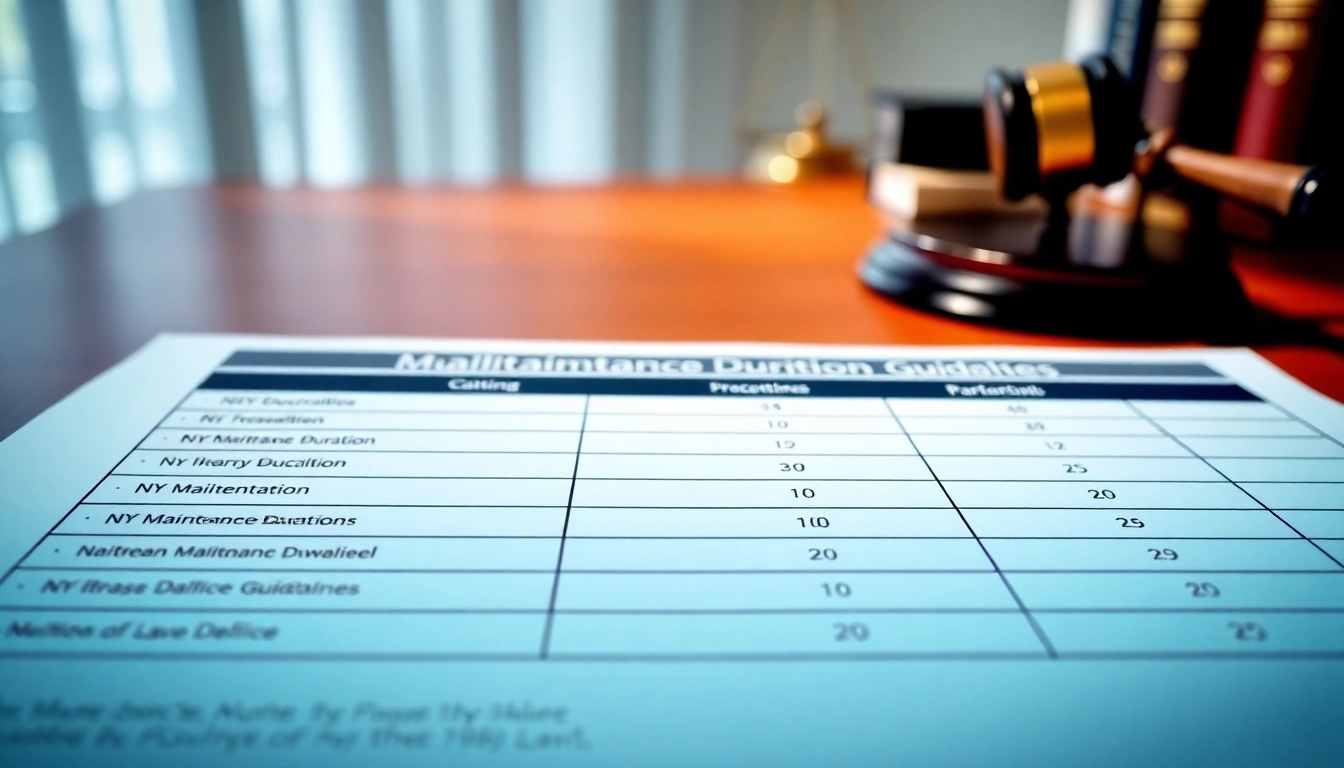
For marriages that last less than 15 years, maintenance is generally awarded for a time period equal to 15% to 30% of the marriage's duration. This means that if a couple was married for 10 years, maintenance could last anywhere from 1.5 years to 3 years. This shorter maintenance duration reflects the evolving nature of marriage and financial independence that is often more pronounced in shorter unions.
Maintenance for Marriages of 15 to 20 Years
In cases where marriages last between 15 to 20 years, the maintenance duration may extend to approximately 30% to 40% of the total marriage length. For instance, a marriage of 18 years might result in maintenance payments that last for around 5.4 to 7.2 years. The rationale here is that longer marriages often create intertwined financial dependencies that can take more time to unravel.
Maintenance for Marriages Over 20 Years
For marriages exceeding 20 years, maintenance can last from 35% to 50% of the marriage's duration. Hence, for a marriage lasting 25 years, maintenance could be awarded for up to 12.5 years. This extended period acknowledges the significant adjustments needed post-divorce, particularly for spouses who have dedicated a large portion of their lives to supporting the family.
The Role of the Court in Determining Maintenance
How Courts Use NY Maintenance Duration Guidelines Table
Courts utilize the NY maintenance duration guidelines table as a starting point to determine the appropriate duration for maintenance payments. They assess the case according to the established duration percentages based on marriage length, while also considering the unique circumstances of each couple. Deviations from this table can occur but are typically justified by specific factors unique to the situation.
Influence of Income on Maintenance Decisions
The income of each spouse is integral to maintenance assessments. A substantial difference in earnings can influence the court's determination, as courts aim to ensure that the lower-earning spouse has adequate financial support. Typically, adjustments are made to reflect income changes over time, ensuring that both parties are treated equitably.
Common Legal Considerations in Maintenance Cases
Several legal considerations can substantially affect maintenance decisions: the reason for the divorce, contributions to the marriage (such as homemaking or caregiving), and any prior agreements regarding spousal support. Additionally, courts consider the potential for the receiving spouse to become self-sufficient within a reasonable time frame.
Frequently Asked Questions about NY Maintenance
How long do maintenance payments last?
The duration depends on the length of the marriage. Typically, maintenance lasts 15-30% for marriages under 15 years, 30-40% for 15-20 years, and 35-50% for over 20 years.
What factors affect how much maintenance is awarded?
Factors include the length of the marriage, income disparities, age and health of both spouses, the standard of living during marriage, and the ability of the spouse requesting maintenance to become self-sufficient.
Can maintenance amounts be modified after the original order?
Yes, maintenance amounts can be modified if there are significant changes in circumstances, such as job loss or income changes, or if the recipient remarries.
Is maintenance tax-deductible for the payer?
As per current IRS regulations, maintenance payments are no longer tax-deductible for the payer or taxable income for the recipient for agreements executed post-2018.
What happens if the recipient remarries?
If the recipient remarries, the maintenance obligation typically ends. However, it is essential to consult legal counsel to navigate any complexities that may arise.
Conclusion and Key Takeaways
Summary of Critical Points
Understanding the NY maintenance duration guidelines is crucial for individuals navigating through divorce. It is essential to grasp how these guidelines operate and the factors that influence the court's decisions on maintenance duration. This knowledge helps in setting realistic financial expectations and planning post-divorce life effectively.
Next Steps for Understanding Maintenance Obligations
For those facing divorce, it is advisable to consult with a legal professional who specializes in family law to gain insights specific to your situation. Knowledge and preparation are key to successfully navigating the complexities of spousal maintenance.
Links to Additional Resources
For further information, consider exploring resources provided by state agencies or legal websites that focus on family law in New York. These resources often have calculators and detailed explanations regarding maintenance obligations, aiding in a better understanding of individual circumstances.