Understanding the Process to Buy New Car
Buying a new car is an exciting yet challenging journey that requires careful planning and consideration. Before you embark on this adventure, it's essential to understand the entire process to Buy New Car. This article will guide you through each step, ensuring a smooth and stress-free experience.
Researching Your Options
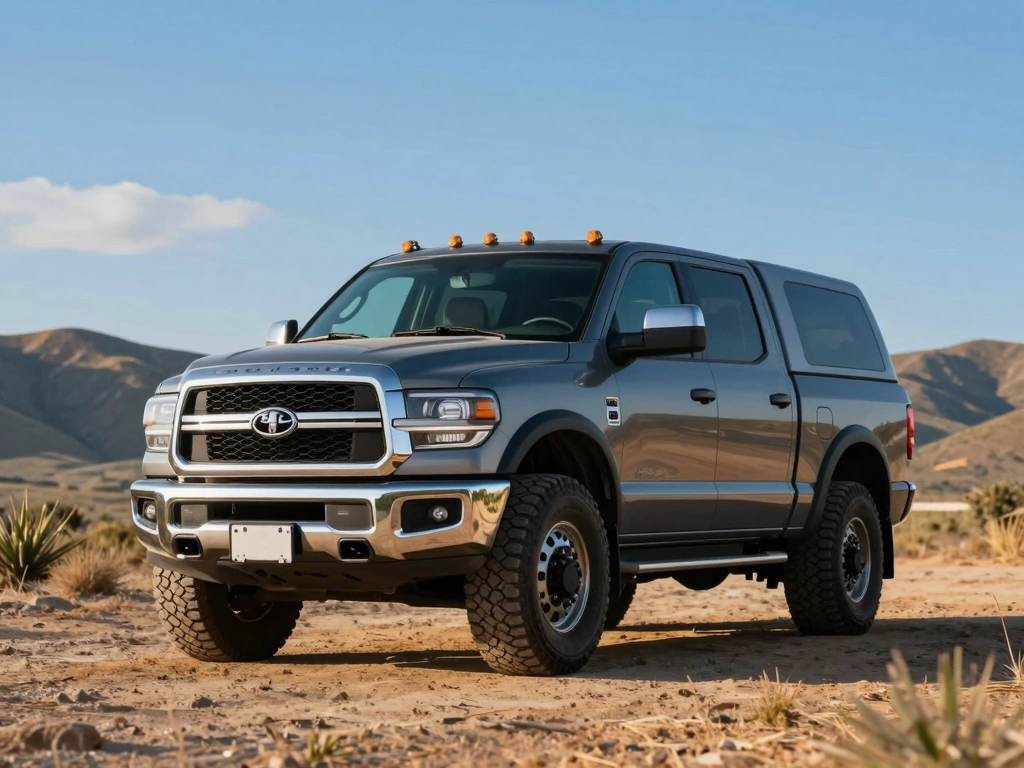
The first step in the car buying process entails extensive research. Start by determining what type of vehicle meets your needs, whether it be a sedan, SUV, truck, or electric car. Evaluate various brands and models, focusing on performance, reliability, safety ratings, and customer reviews. Utilize online resources such as auto comparison tools and expert reviews to gather insights.
Once you have identified a few models of interest, consider visiting local dealerships or car shows. Test driving multiple vehicles will allow you to compare how they feel on the road and determine which aligns best with your driving preferences.
Evaluating Your Budget
Establishing a realistic budget is crucial before making a purchase. Calculate how much you can afford to spend, considering the following factors:
- Down Payment: A larger down payment will lower your monthly payments.
- Monthly Payments: Determine a comfortable range based on your income and expenses.
- Insurance, Taxes, and Fees: Factor in additional costs such as registration, taxes, and insurance premiums when calculating your budget.
Using a budget calculator can help you visualize your expenses and prevent overspending. Ultimately, aim for a balance that allows you to enjoy your new vehicle without financial strain.
Choosing the Right Dealership
Selecting a reputable dealership can significantly affect your car-buying experience. Research various dealerships in your area, reading reviews and seeking recommendations from friends or family. Look for dealerships with good customer service records and transparent pricing policies.
Once you narrow down your options, visit the dealerships in person to gauge their professionalism and willingness to answer questions. Building a rapport with a salesperson can lead to a more pleasant purchasing experience.
Financing Options for Your New Car
Once you've chosen your vehicle, understanding financing is the next critical step. Various options are available, each with its own advantages and disadvantages.
Understanding Loans and Interest Rates
Before applying for a loan, it’s crucial to understand how interest rates impact your overall cost. Generally, lenders offer different terms and rates based on factors like your credit score and the loan duration. A lower interest rate can save you substantial money over the life of your loan.
Research and compare rates from banks, credit unions, and dealer financing offers. Pre-approval is also an option that gives you an idea of what you can afford and enhances your negotiating power.
Leasing vs. Buying: What’s Best?
Deciding between leasing and buying hinges on your personal preferences and financial situation. Leasing typically offers lower monthly payments, and you can drive a new car every few years. However, it comes with mileage limits and potential fees for wear and tear.
On the other hand, buying allows you full ownership, eliminating restrictions, but at a higher upfront cost and monthly payment. Weigh the pros and cons of each option carefully to determine what aligns with your lifestyle.
Exploring Incentives and Discounts
Many manufacturers and dealerships offer incentives to encourage purchases, which can include cashback offers, special financing rates, or leasing deals. Always inquire about available promotions and discounts that might apply to your purchase. Additionally, check for local or national tax credits for electric or hybrid vehicles, which can significantly reduce your final cost.
Test Driving and Vehicle Inspection
Once financing is sorted, it’s time to focus on the actual car. Test driving and inspecting the vehicle are crucial steps that often influence buying decisions.
The Importance of a Test Drive
A test drive provides firsthand experience of the vehicle’s performance and comfort level. Pay attention to factors such as acceleration, braking, steering responsiveness, and visibility. Also, evaluate the overall ergonomics—how comfortable are the seats, are controls intuitive, and do you feel at ease driving the car?
Don’t hesitate to test drive multiple vehicles before making a decision. Each vehicle will handle differently, and personal experience plays a key role in your satisfaction.
Key Features to Inspect
During your inspection, identify and assess key features that are important for your driving needs. Look for:
- Safety features such as airbags, automatic braking, and lane assist.
- Technological amenities like infotainment systems, connectivity options, and navigation.
- Fuel efficiency ratings that fit your driving habits.
- Space and storage capacity suitable for your lifestyle.
Asking the Right Questions
When you visit the dealership, come prepared with a list of questions. Inquire about the vehicle’s history, warranty coverage, service records, and return policy. Understanding these aspects will provide clarity and ensure that you are making an informed decision.
Navigating the Negotiation Process
Negotiation is a critical part of buying a new car and can significantly influence your overall purchase price. Equip yourself with knowledge and strategies to help you through this process.
Strategies for Effective Negotiation
Begin your negotiation with confidence and be prepared to make an offer below the asking price. Utilize your research on the vehicle's market value to support your negotiation position. Be firm yet reasonable; you want to foster a respectful dialogue that can lead to a mutually beneficial agreement.
Don’t rush; take your time to consider counteroffers carefully. If you feel pressured, it's perfectly acceptable to walk away and revisit the deal later.
Understanding Pricing and Trade-Ins
If you’re trading in your old vehicle, research its value beforehand. A known value not only assists in negotiating a fair trade-in price but also contributes to calculating your budget accurately for the new car. Dealerships often provide convenience, but it’s important to ensure you're getting a fair deal.
Finalizing Your Purchase Agreement
After reaching a mutually agreeable price, the final step is to review and sign the purchase agreement. Scrutinize the contract for any hidden fees, terms, or conditions that might affect your overall cost. Take your time to read through every item before signing; understanding your commitment is essential for a smooth transition into ownership.
Post-Purchase Considerations
After successfully buying your new car, several important considerations arise to ensure your continued satisfaction and vehicle performance.
Understanding Warranties and Services
Most new vehicles come with a manufacturer’s warranty that covers specific repairs for a set period or mileage. Familiarize yourself with what your warranty entails, including coverage details and procedures for claiming services. Keeping your vehicle within the stipulated service timelines also ensures long-term performance.
Setting Up Insurance for Your New Car
Choosing the right insurance policy is crucial for protecting your investment. Shop around to find a policy that offers adequate coverage at a competitive rate. Be sure to consider factors such as liability coverage, collision, comprehensive, and gap insurance based on your financial situation and peace of mind.
Maintaining Your Vehicle for Longevity
Routine maintenance is key in extending your vehicle's lifespan and maintaining its resale value. Adhere to the manufacturer’s recommended service schedule, including oil changes, tire rotations, brake inspections, and fluid checks. Keeping a detailed maintenance log can also be advantageous when it comes time to sell or trade in your vehicle.
FAQs about Buying a New Car
What is the best time to buy a new car?
The best times to buy are usually at the end of the month, quarter, or year when dealers aim to meet sales quotas. Also, consider buying last year’s models when new arrivals are coming in.
How do I know if I'm getting a good deal?
Research comparable vehicle prices using resources like online pricing tools and local listings. Understand the average market value before negotiating with sellers or dealerships.
Are dealerships offering incentives for buying new cars?
Yes, many dealerships provide incentives such as cashback offers, lower interest rates, and special financing terms. Always ask about available incentives when shopping around.
What should I include in my monthly budget for a new car?
Include the car payment, insurance, maintenance, fuel costs, and any additional fees like registration or taxes when determining the total monthly cost of ownership.
Should I consider buying a used car instead?
Buying used can save you money and avoid depreciation costs associated with new cars. However, ensure thorough inspections and research vehicle history to avoid potential issues.