Understanding HVAC Duct Leakage
HVAC duct leakage is a common issue that can severely affect the efficiency of your heating and cooling systems. When ducts leak, conditioned air escapes into unconditioned spaces, leading to wasted energy and increased utility bills. Understanding havc duct leakage is essential for homeowners and building managers looking to maintain optimal indoor comfort and energy efficiency.
What is HVAC Duct Leakage?
HVAC duct leakage refers to the unintentional escape of air through holes, cracks, or gaps in ductwork. This can occur in both supply and return ducts, leading to an imbalance that compromises the overall performance of your heating and cooling system. Ducts are typically installed in walls, ceilings, and floors, making them difficult to inspect visually. As a consequence, many homeowners remain unaware of significant leaks.
Causes of HVAC Duct Leakage
Several factors contribute to duct leakage, including:
- Poor Installation: Incorrectly sealed connections or inadequate support can create leaks.
- Wear and Tear: Over time, duct materials can degrade, resulting in cracks and holes.
- Environmental Factors: Extreme temperature fluctuations can expand and contract duct materials, leading to gaps.
- Pest Infestation: Rodents and insects can chew through duct materials, causing significant leaks.
The Importance of Addressing HVAC Duct Leakage
Ignoring duct leakage can have detrimental effects on your home's energy efficiency and indoor air quality. Here’s why it's crucial to address the problem:
- Energy Waste: Leaky ducts can increase energy consumption by up to 30%, significantly raising utility bills.
- Uneven Temperature Distribution: Rooms may become too hot or too cold, creating an uncomfortable living environment.
- Reduced System Lifespan: HVAC systems working harder due to leakage may fail prematurely, incurring costly repairs or replacements.
- Air Quality Issues: Leaks can pull in contaminants from attics, basements, or crawl spaces, leading to poor indoor air quality.
Signs Your Ductwork May Be Leaking
Identifying signs of duct leakage early can help mitigate additional problems. Here are some indicators to watch for:
Visual Indicators of HVAC Duct Leakage
Inspecting your ductwork visually can reveal a lot about its condition. Look for:
- Condensation or moisture on ducts, indicating leaks.
- Visible dust and debris around outlet vents, suggesting air is escaping.
- Cracks, tears, or disconnections in the duct material.
Energy Bills as a Clue
A sudden spike in energy bills could indicate that your HVAC system is working harder than necessary due to duct leakage. Compare your bills over several months to identify any unusual trends that may correlate with changes in your home’s heating or cooling needs.
Changes in Home Comfort Levels
Increased difficulty in achieving desired indoor temperatures can result from duct leakage. If you find that certain rooms are consistently too hot or too cold, it might be time to investigate potential leaks in your ductwork.
Methods for Testing HVAC Duct Leakage
Determining whether your ducts are leaking can be accomplished through various testing methods, each with its advantages. Here are some effective options:
DIY Duct Leakage Testing Techniques
Homeowners can perform several simple tests to identify duct leaks:
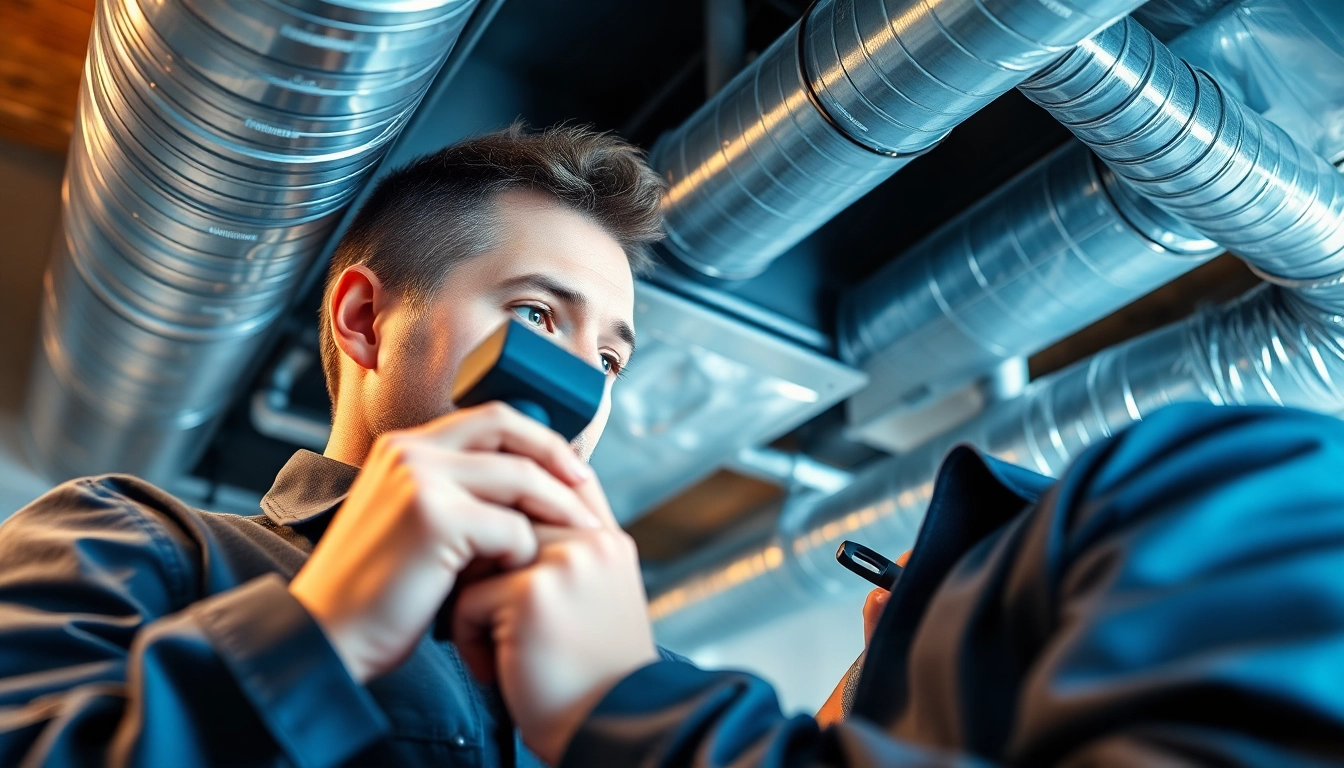
- Smoke Pencil Test: Use a smoke pencil or incense stick near seams and joints in your ductwork. Observe if the smoke is pulled into any openings.
- Foil Tape Test: Seal off vents and use a small fan to detect airflow around duct joints, checking for air leakage.
- Pressure Testing: Close all windows and doors, then run your HVAC system at full power and use a manometer to measure pressure changes.
Professional Duct Leakage Testing Services
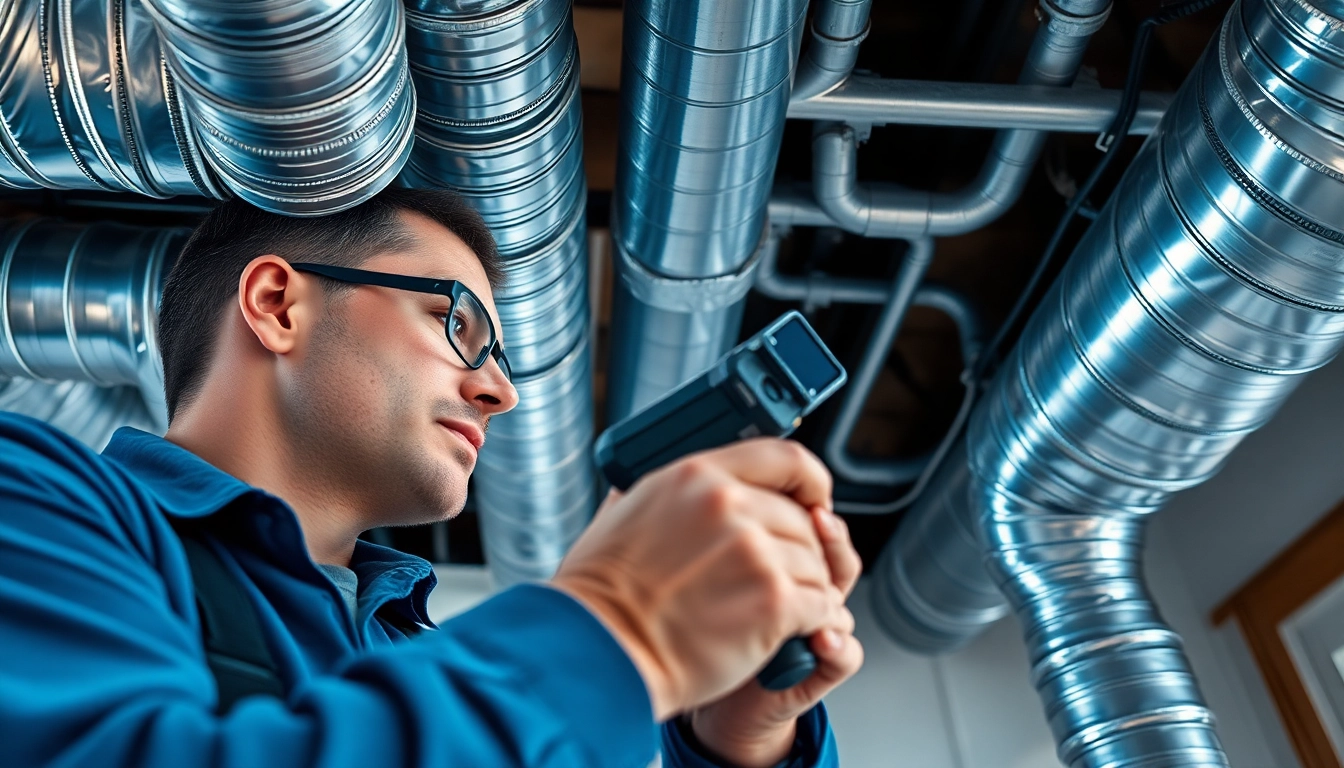
For a more comprehensive analysis, hiring a professional duct leakage testing service is advisable. They utilize specialized equipment, including:
- Blower Door Test: Measures the airtightness of the entire house to identify leaks in the duct system.
- Diagnostic Tools: Infrared cameras and airflow meters can precisely locate leaks and quantify them.
Understanding Duct Leakage Test Results
After tests are completed, understanding the results is crucial. Leakage rates are typically measured in cubic feet per minute (CFM). The goal should be to have duct leakage rates within the acceptable limits defined by industry standards. If tests indicate excessive leakage, solutions must be implemented promptly.
Common Solutions to Repair HVAC Duct Leakage
Once duct leaks are identified, various methods can be employed to repair them. Here are some common solutions:
Sealing Ducts: Best Practices
When sealing ducts, consider the following best practices:
- Use High-Quality Materials: Duct tape is not recommended; instead, opt for mastic sealants or metal tape designed for HVAC.
- Seal Joints Properly: Pay careful attention to joints, seams, and where ducts connect to vents.
- Insulate Ducts: In unconditioned spaces, ensure ducts are properly insulated to prevent temperature loss.
Innovative Products for Duct Sealing
Several innovative products are available that can aid in sealing ducts effectively:
- Foam Sealants: Expanding foam sealants can fill larger gaps and provide an airtight seal.
- Duct Sealing Systems: Specialized systems like Aeroseal can seal leaks from the inside, providing a long-lasting solution.
Regular Maintenance to Prevent Duct Leakage
Preventative maintenance is crucial for ensuring your ductwork remains leak-free:
- Regular Inspections: Conduct annual inspections to catch any emerging issues.
- System Maintenance: Keep your HVAC system well-maintained to prevent stress on ductwork.
- Educate Yourself: Understanding how duct systems operate can empower you to identify problems early.
FAQs About HVAC Duct Leakage
What are the common signs of duct leakage?
Common signs include uneven heating or cooling, increased energy bills, and excessive dust buildup in your home.
How can I test for duct leakage myself?
You can use smoke pencils or lit incense to observe airflow around ducts, checking for air movement that indicates leaks.
When is professional duct leakage testing necessary?
Professional testing is recommended if you experience significant comfort issues or notice unusual energy costs, indicating potential leaks.
What causes duct leakage?
Ducts can leak due to poor installation, natural wear and tear, or damage from pests or environmental factors like temperature fluctuations.
Can sealing ducts improve energy efficiency?
Yes, sealing ducts can enhance energy efficiency significantly, minimizing energy waste and reducing overall utility costs.