Understanding the Scissor Lift and Its Functionality
What is a Scissor Lift?
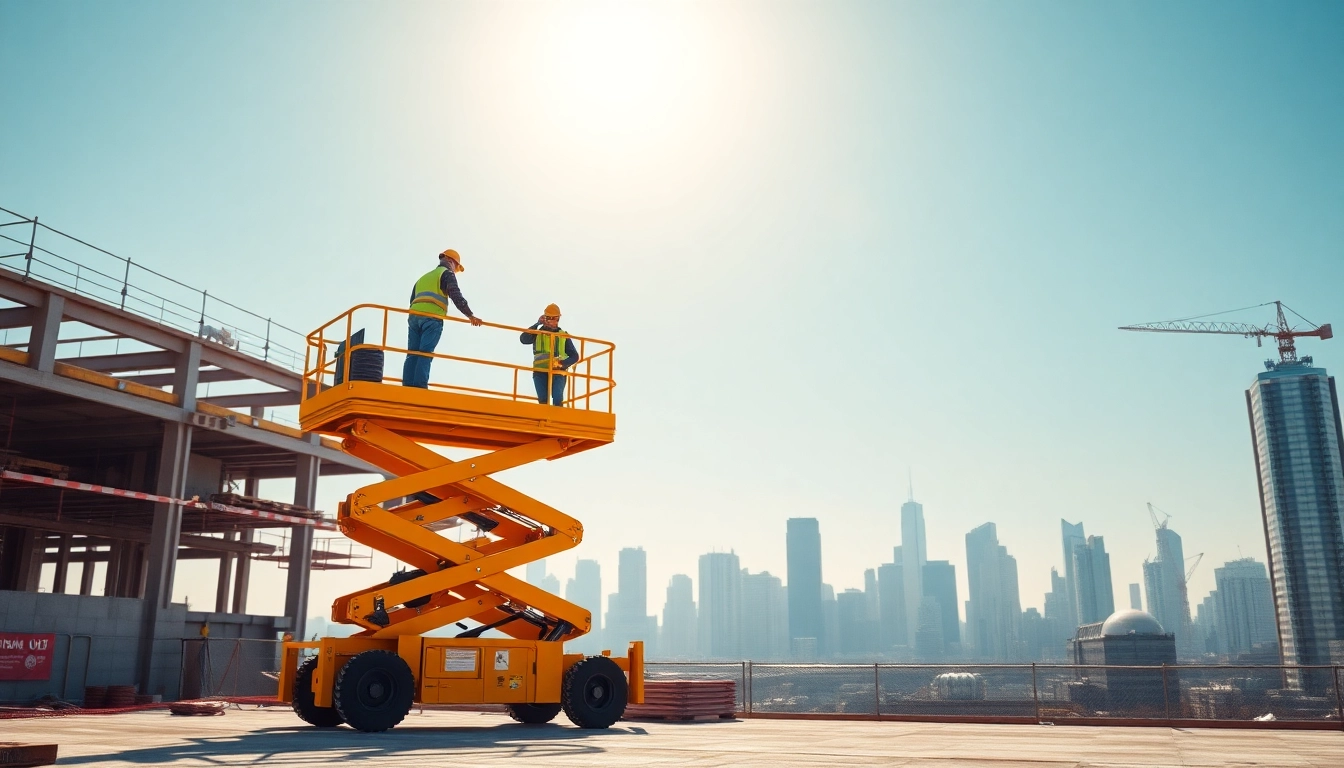
A scissor lift is a type of aerial work platform that provides a stable and safe platform for individuals and materials to reach elevated areas. It operates using a crisscrossed beam mechanism that allows the lift platform to elevate vertically. The design is structured to ensure stability, making scissor lifts an ideal choice for various construction, maintenance, and logistical tasks.
Key Features of Scissor Lifts
Scissor lifts come equipped with a variety of features that enhance their usability and safety. Key features include:
- Vertical Lift Mechanism: The primary function is the ability to move vertically, allowing workers to reach high areas easily.
- Variety of Heights: Scissor lifts are available in numerous sizes, with maximum lift heights ranging generally from 10 to 60 feet, accommodating different project requirements.
- Stability: The cross-braced design offers superior stability even at significant heights, minimizing the risk of tipping.
- Load Capacity: They can typically bear loads ranging from 500 to 2,500 pounds, depending on the specific model and type.
- Electric or Gas Power: Many models are available in both electric and diesel versions, making them versatile for indoor or outdoor use.
Common Applications for Scissor Lift
Scissor lifts are widely used across various industries. Their applications include:
- Construction: For accessing high areas, performing tasks like roofing, electrical work, or installing HVAC systems.
- Maintenance: Ideal for cleaning windows, setting up lighting fixtures, or maintaining high ceilings.
- Logistics: Used in warehouses for inventory management and stocking goods at elevated locations.
- Events: Commonly utilized in staging for concerts, exhibitions, and other large gatherings to help with setup and maintenance.
Choosing the Right Scissor Lift for Your Needs
Types of Scissor Lifts
When selecting a scissor lift, it is important to understand the different types available:
- Electric Scissor Lifts: Best for indoor use due to their quiet operations and zero emissions.
- Rough Terrain Scissor Lifts: Equipped with larger tires and increased ground clearance, suitable for unpaved surfaces.
- Compact Scissor Lifts: Ideal for tight spaces, allowing maneuverability in confined areas.
Factors to Consider in Selection
Choosing the appropriate scissor lift involves careful consideration of various factors:
- Height Requirements: Assess the maximum height needed for your specific application.
- Load Capacity: Determine how much weight the lift will need to support, including workers and materials.
- Terrain Conditions: Consider the surface where the lift will be used—smooth indoors or rugged outdoors.
- Power Source: Decide between electric and gas-powered lifts based on application and location.
Cost Implications of Scissor Lifts
The cost of a scissor lift can vary widely based on several factors, including:
- Type of Lift: Electric models tend to cost less than rough terrain lifts.
- Rental vs. Purchase: Determining whether to rent or own can significantly affect overall costs.
- Maintenance Costs: Ongoing maintenance should be factored into the total cost of ownership.
Operating a Scissor Lift Safely
Pre-Operation Safety Checks
Before operating a scissor lift, it is crucial to perform thorough safety checks:
- Inspect for visible damage or mechanical issues.
- Check that all safety features, such as guard rails and emergency stop buttons, are in functioning condition.
- Verify that the work area is clear of hazards like overhead obstructions or weak surfaces.
Essential Safety Protocols
Following established protocols is vital for ensuring safe operation:
- Always wear appropriate personal protective equipment (PPE), such as hard hats and harnesses.
- Maintain a safe distance from power lines and ensure proper grounding of the lift.
- Limit the number of occupants on the platform to the maximum allowed load limit.
Training for Operators
Proper training for operators is essential to reducing accidents and improving efficiency. Consider the following:
- Enroll in operator training programs that cover usage, safety, and emergency procedures.
- Provide opportunities for hands-on training under expert supervision.
- Ensure regular re-certification to keep skills sharp and up-to-date with equipment advances.
Maintaining Your Scissor Lift for Longevity
Regular Maintenance Tasks
To extend the life of your scissor lift and ensure safety, implement a routine maintenance schedule that includes:
- Regular inspections for wear and tear, such as hydraulic system leaks and brake functionality.
- Periodic battery checks for electric models to prevent unexpected downtime.
- Cleaning the lift and its components to reduce grime build-up that can lead to malfunctions.
Troubleshooting Common Issues
Being able to troubleshoot basic problems can save time and money. Common issues include:
- Swerving or failing to respond might suggest issues with the hydraulic system.
- Stalling at height could indicate electrical failure; a technician should be consulted immediately.
- Unusual noises during operation should be investigated to preempt potential failure.
When to Call a Professional for Repairs
Some issues require professional intervention. You should contact an expert when:
- Significant mechanical failures occur that could affect safety.
- Electrical problems lead to constant malfunction.
- Routine maintenance tasks exceed operator capabilities.
Frequently Asked Questions About Scissor Lift
What is the maximum height for scissor lifts?
Scissor lifts can reach maximum heights from 10 to 60 feet, depending on the model. Always check specifications for exact heights.
How do I transport a scissor lift safely?
Use a proper trailer or truck, secure the lift using chains or straps, and follow all transportation guidelines to prevent accidents.
Are scissor lifts suitable for indoor use?
Yes, electric scissor lifts are designed for indoor environments, offering quiet operation and zero emissions.
What safety gear should operators wear?
Operators should wear hard hats, safety glasses, harnesses, and other PPE relevant to the work conditions to ensure safety.
How often should scissor lifts be inspected?
Scissor lifts should be inspected before use and undergo a thorough inspection every six months to ensure safety and functionality.
Contact Information
Call Us:4062607988Address: 3906 MT-40, Columbia Falls, MT 59912