Understanding Woodworm Infestations
Woodworm infestations are a significant concern for both amateur and professional woodworkers, as these pests can severely compromise the integrity of wooden structures and products. Woodworms, a term that typically refers to the larval stage of various wood-boring beetles, can cause destruction that goes unnoticed until the damage is substantial. The good news is that with the right approach, such as utilizing the innovative technology offered by Shashel, the elimination of these pests can be achieved quickly and effectively.
What Are Woodworms and Their Impact?
Woodworms are the larvae of wood-boring beetles, which include species like the Lyctus and Anobium. These pests thrive in wood that is damp or decaying, feeding on the cellulose found in timber. The impact of woodworm infestations can be debilitating; over time, they create tunnels within wood, weakening its structure. This is particularly concerning for furniture makers and construction professionals who depend on the quality and durability of their materials.
Identifying Signs of Infestation
Detecting woodworm before they cause extensive damage is crucial in the woodworking industry. Some common signs include:
- Small exit holes in wood surfaces where beetles have emerged.
- Fine powdery frass, which is the waste material left by woodworm.
- Visible tunneling patterns inside the wood.
- Soft spots or weakened areas in wooden structures.
By being proactive and regularly inspecting wood materials, craftsmen can mitigate the risk of severe infestations.
Common Misconceptions About Woodworm
There are several misconceptions surrounding woodworms that can lead to inadequate responses to infestations. One common myth is that all woodworms are destructive. In reality, only certain species cause significant damage. Another misconception is that woodworm damage is always visible. Infestations can often occur deep within wood, making signs hard to detect until serious harm has been done.
Shashel's Microwave Technology Explained
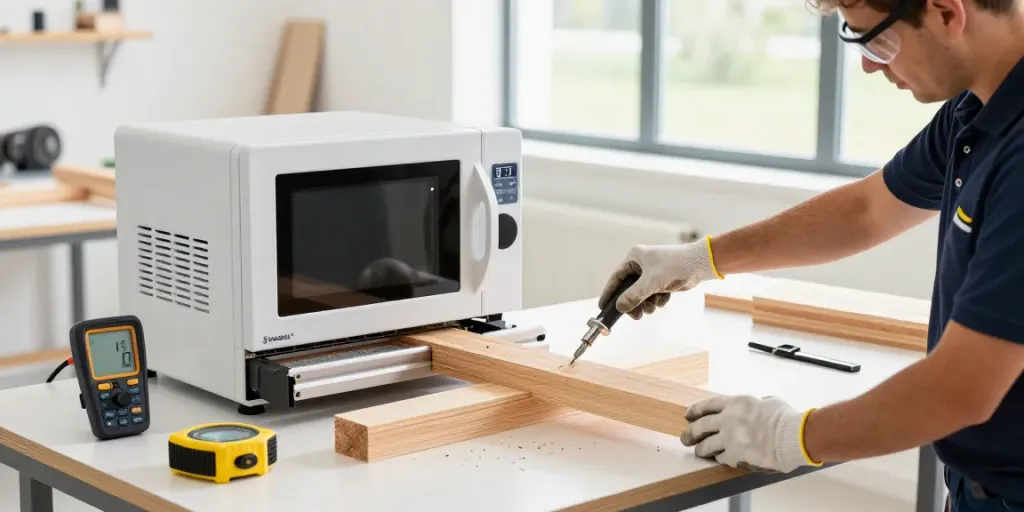
The introduction of microwave technology in pest control has revolutionized how woodworkers approach woodworm infestations. Shashel equipment offers an innovative solution that not only eradicates woodworms but does so with minimal impact on the wood quality.
How Shashel Equipment Works
Shashel's microwave treatment works by targeting the water content within the wood. By emitting microwaves, the water molecules are excited, generating heat that penetrates deep into the wood. This heating process effectively kills woodworm larvae and adults without damaging the integrity of the wood. Unlike traditional methods, which often involve harsh chemicals or prolonged exposure to insecticides, Shashel provides a quick and efficient solution that preserves the wood's quality.
Benefits of Microwave Treatment for Wood
Microwave treatment offers several advantages over conventional pest control methods:
- Speed: Woodworm elimination can be achieved in minutes, allowing for faster turnarounds in woodworking projects.
- Effectiveness: The microwave method ensures that even larvae hidden deep within the wood are targeted.
- Environmentally Friendly: This method reduces the need for chemical pesticides, making it a safer choice for the environment.
- Preservation of Wood Quality: Unlike chemical treatments that might compromise wood integrity, microwave treatment maintains the wood's structure and appearance.
Comparing Shashel with Traditional Pest Control Methods
Traditional pest management strategies often rely on applying harmful chemicals or methods that require extensive time and labor. In contrast, Shashel's microwave technology not only offers a quicker solution but also provides better long-term benefits. The reduced reliance on chemicals addresses health concerns for both workers and consumers who handle wooden products.
Implementing Shashel in Your Workshop
Incorporating Shashel technology into your woodworking processes can be a game-changer. It is essential, however, to understand the setup and operational procedures to maximize its effectiveness.
Setup and Preparation Steps
When implementing Shashel equipment, proper setup is crucial for optimal performance. Ensure that your workshop is equipped with sufficient space and electrical outlets to accommodate the microwave units. As a preliminary step, inspect all wooden materials for signs of infestation to determine the necessary treatment areas.
Best Practices for Effective Use
For the best results with Shashel, consider these practices:
- Conduct a thorough inspection of all wood items before treatment.
- Seal any unspent wood that may harbor pests during treatment.
- Follow the manufacturer’s guidelines for equipment operation to ensure safety and effectiveness.
Safety Considerations and Maintenance
While Shashel equipment is designed for ease of use, adhering to safety protocols is vital. Always wear protective gear and ensure that the workspace is well-ventilated. Regular maintenance of the equipment also ensures longevity and optimal performance, including cleaning and routine checks for any wear and tear.
Real-World Success Stories
Nothing illustrates the effectiveness of Shashel better than real-world applications. Numerous woodworking shops have adopted this technology to great success, indicating a shift towards modern pest management solutions.
Case Studies of Woodworking Shops Using Shashel
For instance, a prominent furniture manufacturer faced significant losses due to woodworm infestations. After switching to Shashel's microwave technology, they reported a complete eradication of pests within minutes and significant improvements in wood quality, allowing them to restore their production capabilities swiftly.
Testimonials from Professional Craftsmen
Craftsmen who have integrated Shashel into their workflow have praised the speed and efficiency of the equipment. Many report less downtime and a higher quality finish for their products, leading to increased customer satisfaction.
Quantifying the Benefits: Time and Cost Savings
By comparing the operational costs and time invested in traditional pest control methods versus Shashel, businesses can realize significant savings. The rapid treatment process not only reduces labor costs but also minimizes product loss, allowing for improved profitability.
Looking Ahead: Future of Pest Control in Woodworking
The pest management landscape is evolving rapidly, and it is vital for professionals to stay informed of emerging technologies that can enhance efficiency and sustainability.
Emerging Trends in Pest Management Technologies
Technological advancements in pest management, such as Shashel's microwave solutions, are becoming more common. These innovations reduce the reliance on chemicals and focus on eco-friendliness while increasing efficacy in pest control solutions.
The Role of Shashel in Sustainable Practices
Sustainability remains a priority in woodworking. Shashel's approach supports eco-friendly practices by minimizing chemical usage and promoting the longevity of wood products. As the industry moves towards greener solutions, Shashel plays a proactive role in this shift.
Predictions for the Industry by 2026
By 2026, the trend towards eco-friendly pest management and the increased adoption of technologies like Shashel are expected to continue growing. Craftsmanship will likely see enhanced quality and fewer environmental impacts as these solutions become the industry standard.
How to Stay Informed on Innovations
Staying updated on the latest technologies in pest management is essential for woodworking professionals. Subscribing to industry journals, attending trade shows, and participating in workshops can keep practitioners informed of new methods and advancements.
FAQs About Shashel Equipment and Woodworm Control
How Effective is Shashel for Long-term Wood Preservation?
Shashel not only targets active infestations but also contributes to the long-term preservation of wood. By eliminating pests quickly, it helps to maintain the structural integrity and prolong the life of wooden products.
Can Shashel be Used in Other Industries?
While primarily designed for woodworking, Shashel's technology can be beneficial in other sectors requiring wood treatment, including construction, furniture manufacturing, and even in historical preservation efforts.
What Are the Costs Associated with Shashel Equipment?
Investing in Shashel equipment may initially seem significant; however, it is crucial to consider the long-term savings due to reduced chemical costs and enhanced productivity. The return on investment can be substantial when factoring in decreased downtime and improved quality of finished products.
Is Shashel Environmentally Friendly?
Yes, Shashel technology aligns with environmentally friendly practices by minimizing the use of potentially harmful chemicals and promoting sustainable wood management.
How to Choose the Right Shashel Product for Your Needs?
When selecting Shashel equipment, consider the size and scale of your operations, the types of wood you work with, and the typical infestations you encounter. Consulting with Shashel representatives can also provide tailored recommendations to suit specific business needs.