Introduction to Fluid Power Systems
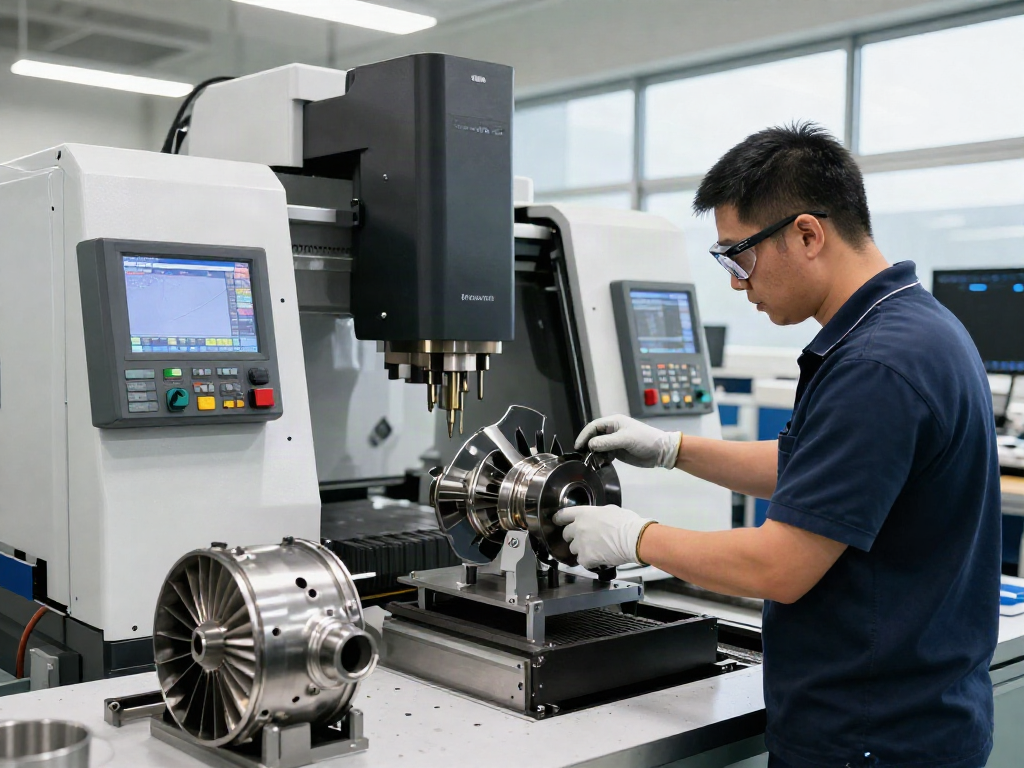
Fluid power systems play a crucial role in various industries by utilizing pressurized liquids or gases to create motion and control mechanisms. They are integral in applications ranging from manufacturing equipment to aerospace technology. This article delves into the essentials of fluid power systems, exploring their components, applications, challenges, and best practices for optimization.
What are Fluid Power Systems?
Fluid power systems are mechanical systems that use pneumatic or hydraulic fluids to transmit power. Commonly used in machinery and equipment, these systems convert fluid energy into mechanical energy to perform work. They are categorized into two primary types: hydraulic systems, which utilize liquids, and pneumatic systems, which use gases. Fluid power systems are known for their efficiency and ability to exert significant force in a compact design, making them a preferred choice in many industrial applications.
Historical Background and Evolution
The origins of fluid power can be traced back to ancient civilizations that utilized primitive hydraulic systems for agriculture and construction. However, modern fluid power can be significantly credited to the advancements made during the 20th century, particularly during World War II, when demand surged for effective means of controlling machinery in military applications. This led to the refinement of hydraulic components and the establishment of fluid power as a distinct field of engineering. Today, the continued evolution of fluid power systems is shaped by technological advancements, including computer control and automation, which are enhancing their functionality and efficiency.
Basic Principles of Fluid Mechanics
Understanding the basic principles of fluid mechanics is essential for grasping how fluid power systems operate. Key concepts include the properties of fluids, the behavior of fluids in motion, and the principles of pressure and force transmission. Pascal's Law, which states that pressure applied to an enclosed fluid is transmitted undiminished throughout the fluid, is fundamental in hydraulic systems. Similarly, Bernoulli's Principle describes how fluid speed affects pressure, essential in designing pneumatic systems. These core principles guide engineers in creating efficient fluid power systems that meet various operational demands.
Key Components of Fluid Power Systems
The efficiency and performance of fluid power systems depend heavily on their components. Each component plays a specific role in ensuring that fluids move correctly and effectively within the system.
Hydraulic Pumps and Their Role
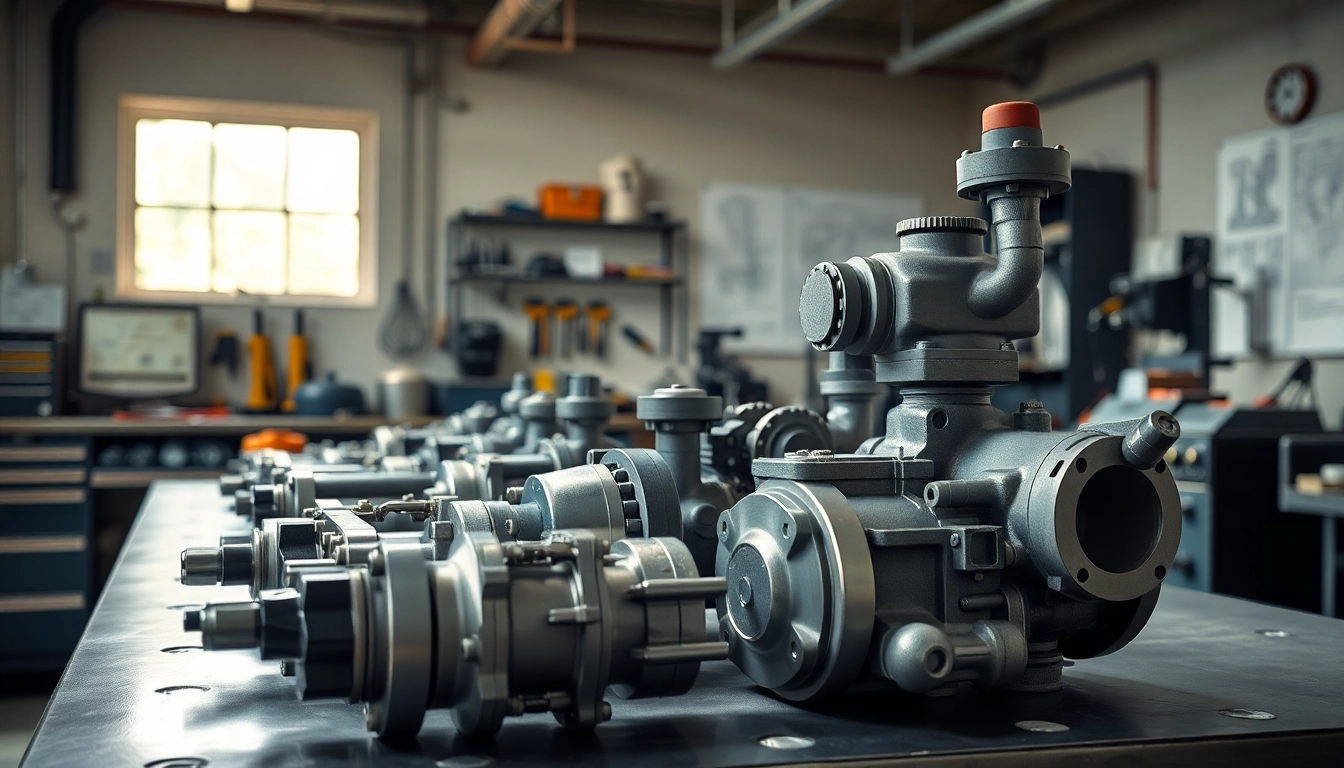
Hydraulic pumps serve as the heart of any hydraulic system, responsible for converting mechanical energy into hydraulic energy. They create a flow of fluid through the system, facilitating movement in actuators and cylinders. There are various types of hydraulic pumps, including gear, vane, and piston pumps, each designed for different applications and pressure requirements. The selection of a pump is critical, as it impacts the system's efficiency, power output, and operational capabilities.
Valves: Regulation and Control
Valves are integral in controlling the direction, pressure, and flow rate of the hydraulic fluid within a system. They can be classified into different categories, such as directional control valves, pressure relief valves, and flow control valves. Each valve type serves a specific function, enabling operators to finely tune the hydraulic system's performance. Understanding how to select and maintain these valves is pivotal for ensuring system reliability and efficiency.
Cylinders and Actuators Explained
Cylinders and actuators are responsible for converting hydraulic energy into mechanical motion. Hydraulic cylinders produce linear motion, while actuators can achieve both rotational and linear movements. The design and specifications of these components directly influence the overall effectiveness of fluid power systems. Knowing the right sizing and type of cylinder or actuator required for a specific application can lead to enhanced performance and reduced maintenance needs over time.
Applications of Fluid Power Systems in Industries
Fluid power systems have extensive applications across diverse industries, contributing significantly to operational efficiency and productivity. Understanding these applications helps in recognizing the versatility and significance of fluid power technology.
Manufacturing and Construction
In the manufacturing sector, fluid power systems are employed in machinery such as presses, conveyors, and robotic arms. They allow for precise control over complex tasks, enhancing production efficiency. In construction, hydraulic systems are vital in heavy machinery, such as excavators and cranes, providing the necessary power to perform demanding tasks. The adaptability of these systems makes them essential in both sectors for optimizing productivity and ensuring safety.
Aerospace and Automotive Applications
The aerospace industry relies heavily on fluid power systems for various applications, including landing gear operation, flight control systems, and actuator operations. In automotive settings, hydraulics are used for power steering, brake systems, and automatic transmission systems. Safety and reliability are paramount in these industries, making the engineering of fluid power systems a critical focus to ensure operational integrity and effective performance.
Marine and Offshore Equipment
Marine applications often employ fluid power systems in various equipment like winches, thrusters, and hydraulic steering mechanisms. The harsh marine environment requires that these systems be designed to resist corrosion and wear. Offshore drilling rigs use hydraulic systems for drilling operations, equipment lifting, and other critical tasks. The robustness and reliability of fluid power systems make them indispensable in these challenging environments.
Common Challenges in Fluid Power Systems
While fluid power systems are highly effective, they face several challenges that can impact performance and operational costs. Recognizing and addressing these issues is essential for maintaining system integrity.
Leaks and Maintenance Issues
Leaks are a common problem in fluid power systems, leading to loss of efficiency and increased operational costs. Regular maintenance is crucial to detect and rectify leaks quickly. Inspecting seals, joints, and hoses can prevent significant failures. Implementing a robust maintenance schedule helps ensure that the system operates at optimal levels while minimizing safety hazards related to fluid spills.
Efficiency and Energy Consumption
Efficiency in fluid power systems can be significantly affected by energy consumption. Systems that are poorly designed or maintained can lead to excessive energy use. To optimize energy efficiency, it's essential to select components that are appropriate for the desired application, ensuring the entire system is balanced. Employing newer technologies like variable-speed drives can also aid in reducing energy consumption in hydraulic systems.
Safety Regulations and Compliance
Safety is a top priority in any operation utilizing fluid power systems. Compliance with safety regulations ensures that systems are designed and operated safely, minimizing risks to personnel and equipment. Organizations must remain informed about the latest regulations and standards governing fluid power systems, as non-compliance can lead to serious accidents or legal ramifications.
Best Practices for Optimizing Fluid Power Systems
To maximize the effectiveness and longevity of fluid power systems, organizations should adopt best practices focused on maintenance, technology implementation, and operator training.
Regular Maintenance and Inspections
Establishing a routine maintenance program is vital for identifying potential issues before they become significant problems. Regular inspections of components such as pumps, valves, and cylinders can prevent unforeseen downtime. Keeping fluid reservoirs clean and ensuring that filters are replaced as needed is also crucial for maintaining system integrity.
Implementing Advanced Technologies
Adopting advanced technologies, such as smart sensors and predictive analytics, can enhance fluid power systems' operational efficiency. These technologies allow for real-time monitoring and diagnostics, enabling proactive maintenance approaches. Investments in these technologies can pay off by reducing operational costs and downtime, ultimately leading to improved productivity.
Training and Skill Development for Operators
The competency of operators is crucial for the successful operation of fluid power systems. Continual training and skill development programs help operators understand system mechanics, troubleshoot common issues, and implement safe practices. Cultivating a culture of safety and knowledge can profoundly impact operational efficiency and reduce the risk associated with system failures.
Frequently Asked Questions (FAQs)
What is fluid power?
Fluid power refers to the use of pressurized fluids to create mechanical motion and control mechanisms in industrial applications.
What are the benefits of hydraulic systems?
Hydraulic systems provide high force output, precise control, and compact design, making them ideal for heavy machinery and manufacturing processes.
How often should fluid power systems be maintained?
Routine maintenance should be conducted every three to six months, with regular inspections on critical components as needed.
What types of fluids are used in fluid power systems?
Common fluids include hydraulic oil, water-glycol solutions, and various synthetic fluids, selected based on the system's requirements.
How can I improve the efficiency of my fluid power system?
To enhance efficiency, implement regular maintenance, optimize system design, and utilize advanced technologies for monitoring and management.
Contact Information
Call Us: 780.452.2876Email: [email protected]Address: 13111 159 Street Edmonton, AB T5V 1H6